All Indian Defence Equipments Thailand & Cambodia Military Use
Three points you will get to know in this article:
2. Thailand buys naval and air assets, while Cambodia focuses on training, small arms, and helicopters with Indian PSU support.
3. India uses defence exports and training to strengthen strategic ties and regional influence in Southeast Asia.
Defence Equipments/Weapons That Thailand and Cambodia Buy from India
India has become an increasingly important global player in defence manufacturing, as well as in pharmaceuticals and software. In the last ten years, India has bolstered its own defence capabilities and broadened its defence export portfolio, particularly to Southeast Asian countries such as Thailand and Cambodia.
India shares historical and cultural ties with these two countries, situated in the core of the ASEAN region, and their strategic relationship is now expanding. As regional security concerns grow, maritime interests gain importance, and a shared vision of a rules-based Indo-Pacific emerges, both Thailand and Cambodia have sought defence equipment and partnerships from India. This blog explores the categories of defence equipment they acquire and the Indian firms involved in these transactions.
India’s Rise in Defence Exports
In the past, India imported a lot of defence equipment. In recent years, however, India has managed to reverse the trend with initiatives such as ‘Make in India’, the Defence Production Policy, and a vigorous promotion of indigenous development through the Defence Research and Development Organisation (DRDO) and engagement with private industry. In 2024, India’s defence exports surpassed ₹16,000 crore ($2 billion), with Southeast Asia emerging as a key market.
Thailand and Cambodia have become two of the countries interested in Indian defense products, particularly in areas such as land warfare systems, maritime security platforms, and training support.
List of Key Defence Equipments Thailand Buys from India
1. Offshore Patrol Vessels (OPVs): India has provided and sold Offshore Patrol Vessels to various countries, among them Thailand. They are crucial for anti-smuggling actions and maritime monitoring.
Supplier: Goa Shipyard Limited (GSL)
Features:
- Vessels measuring 105 meters in length
- With the capacity to transport helicopters
- Fitted with 30mm naval artillery and surveillance radar
Thailand is interested in collaborating on the production of these vessels and enhancing its coastal patrol fleet with assistance from India.
2. Military Training Aircraft: India’s HAL (Hindustan Aeronautics Limited) has presented its trainer aircraft such as the HTT-40 (Hindustan Turbo Trainer-40) to the Thai Air Force.
![]()
Possible Use: Fundamental Training for Novice Pilots
Advantages: Cost-effective, reliable, and domestically developed
Status: In talks for evaluation and potential acquisition
3. Artillery and Ammunition: India has provided Thailand with artillery shells, small arms, and spare components. These items are frequently supplied via manufacturers owned by the state and are used for training the army in Thailand as well as for backup supplies.
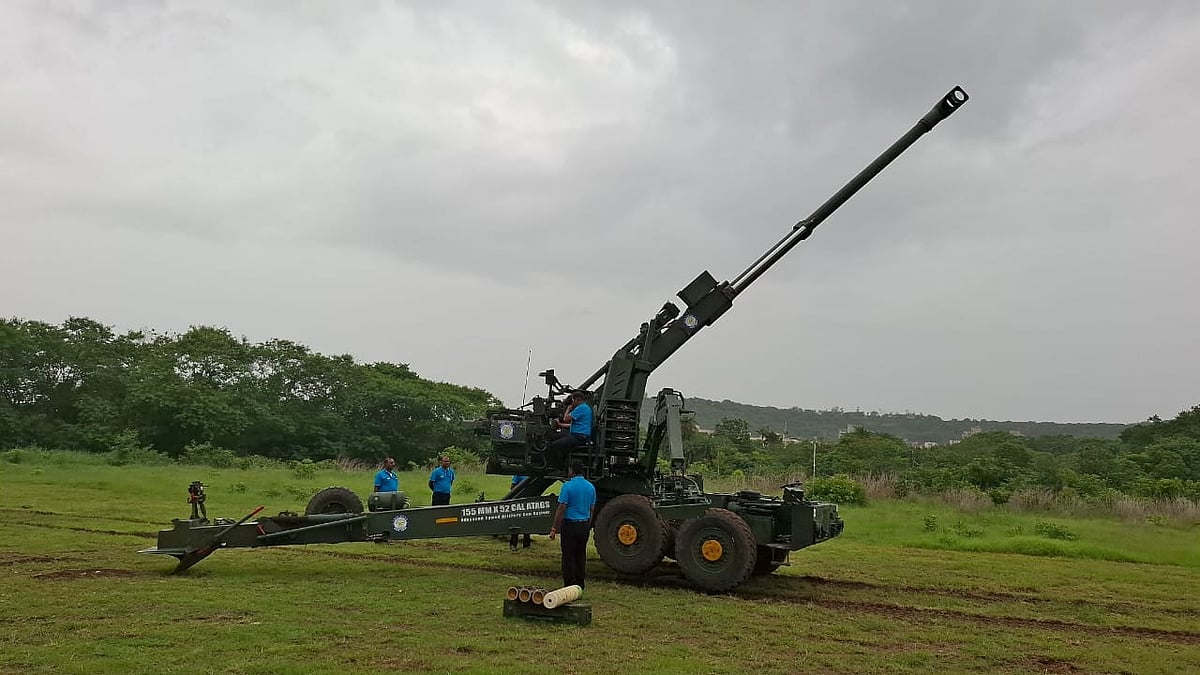
Suppliers:
- Ordnance Factory Board (currently integrated into Advanced Weapons and Equipment India Ltd. and Munitions India Ltd.)
- Bharat Dynamics Limited (regarding missiles and launch systems)
List of Key Defence Weapons and Equipments Cambodia Buys from India
1. Training and Capacity Building: Military training assistance is one of the foundational elements of India–Cambodia defence relations.
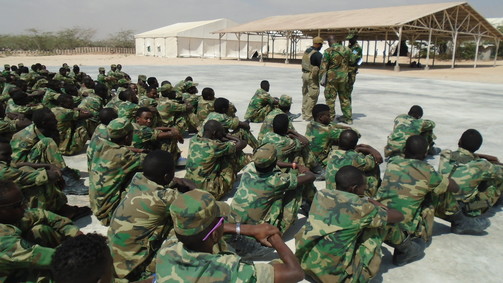
- Cambodian officers are trained by India at its officer training academies.
- Regular empowerment activities within the framework of the Indian Technical and Economic Cooperation (ITEC) program
This aids in the modernization of Cambodia’s forces and promotes goodwill.
2. Small Arms and Ammunition: India has provided an offer to Cambodia that includes small arms, carbines, grenades, and ammunition for its infantry forces. They are perfect for operations involving border security and internal stability.

Suppliers:
- Munitions India Limited
- India Ltd. Advanced Weapons and Equipment
3. Non-lethal Military Equipment: India has also donated or sold:
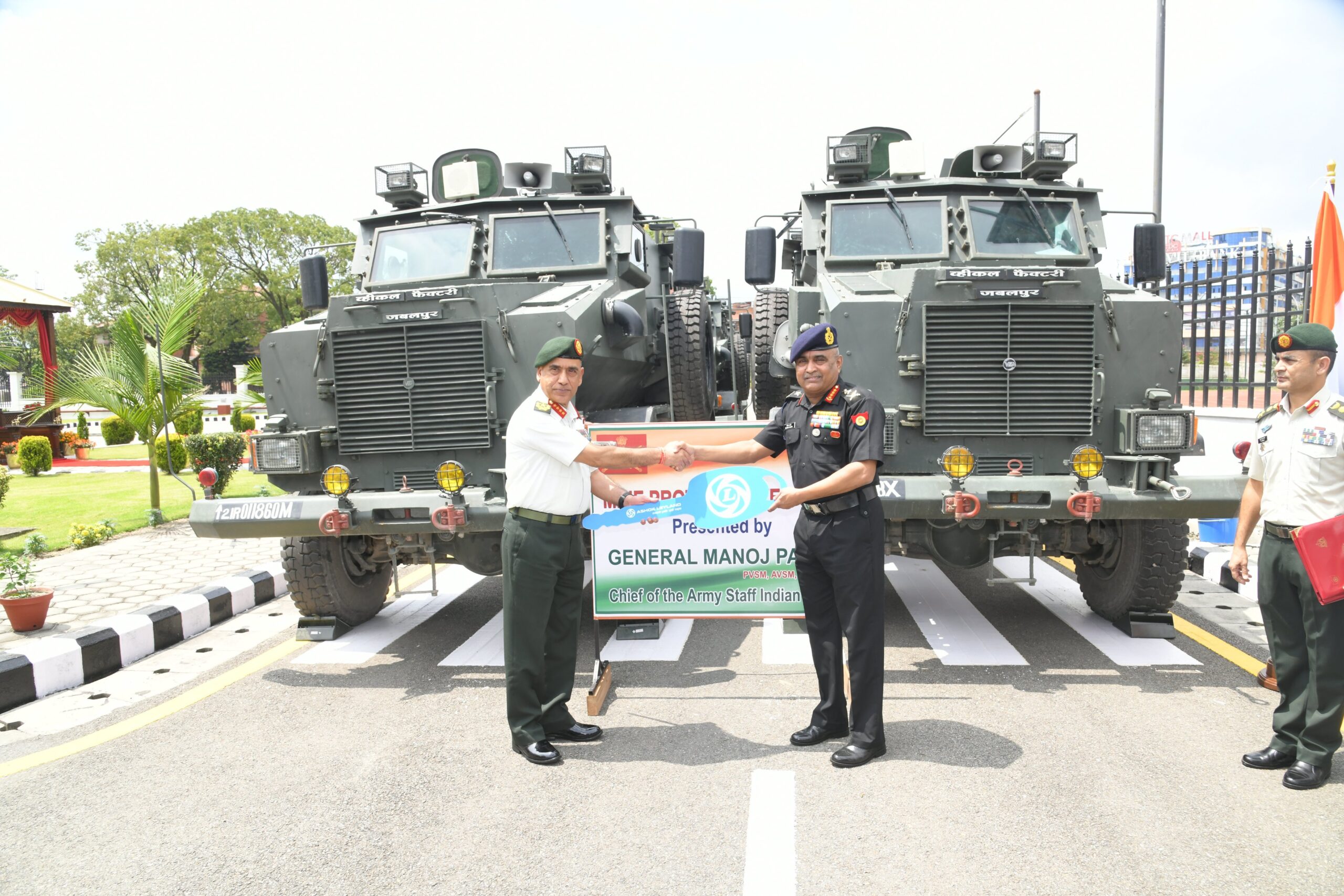
- Ballistic jackets
- Communication packages
- Radar technology
- Vehicles for engineering and logistics
They are essential for maintaining peace and enforcing laws internally.
4. Helicopters for Medical and Logistic Use: Cambodia is interested in India’s ALH Dhruv helicopters, which are suitable for medical evacuations and disaster relief operations.

India has provided concessional financing for these types of purchases through Lines of Credit (LoC).
Indian Temple Connection with Latest Thailand vs Cambodia War
Fighter jets, landmines, expulsions, and artillery fire — the tensions between Thailand and Cambodia have risen to a dangerous level. A border dispute that started as a simmering issue has now resulted in bloodshed once more, as Thailand has carried out F-16 airstrikes and Cambodia has responded with rocket fire. As both countries exchange allegations of territorial infringement, fears of a wider regional conflict are escalating, leading to the evacuation of thousands of civilians.
Dispute?
Thailand and Cambodia have a land border that stretches 508 miles (817 kilometers), much of which is defined by maps from the early 20th century during the French colonial period. Although the two nations have experienced periods of peaceful collaboration, the border has often flared up into conflict, especially near ancient temple sites such as Preah Vihear, Ta Moan Thom, and Ta Muen Thom, located in dense forests and rough terrain.
The conflict centers around the Preah Vihear Temple, a Hindu shrine from the 9th century that was constructed on a cliff in the Dângrêk Mountains during the Khmer Empire. Though situated near Thailand geographically, the International Court of Justice (ICJ) determined in 1962 that the temple was part of Cambodia, a ruling accepted by Thailand, albeit with lingering resentment.
In 2008, tensions flared up again as Cambodia pursued and obtained UNESCO World Heritage Site designation for Preah Vihear. Thailand expressed strong objections, asserting that the proposed map intruded upon a disputed area of 4.6 square kilometers surrounding the temple. This resulted in nationalist demonstrations in Thailand, disturbances in parliamentary proceedings, and lethal border clashes.
From 2008 to 2011, the conflict escalated into multiple violent clashes, one of which involved a weeklong artillery exchange in 2011 that resulted in at least a dozen fatalities and caused thousands of villagers on either side to evacuate. Each country charged the other with aggression and held the other responsible for breaching sovereignty.
The ICJ clarified in a 2013 ruling that Cambodia held sovereignty over the area surrounding the Preah Vihear Temple and commanded the withdrawal of Thai troops from this disputed region. Thailand complied, yet disputes regarding maps, military patrol routes, and sovereignty markers persisted in afflicting the region.
In addition to Preah Vihear, other ancient temples like Ta Moan Thom and Ta Muen Thom, situated in Thailand’s Surin province close to the Cambodia-Oddar Meanchey border, have also emerged as sources of conflict. These locations span the vague boundary and possess significant national, cultural, and symbolic importance for each country.
Conclusion
India’s growing role as a reliable defence exporter is reshaping the strategic landscape of Southeast Asia. With its affordable, indigenously developed equipment and commitment to capacity building, India has become a preferred partner for countries like Thailand and Cambodia. As these nations work to modernize their defence forces amid regional tensions and evolving security challenges, India’s support not only strengthens bilateral ties but also promotes peace and stability in the Indo-Pacific region. The continued collaboration in defence exports and training will likely pave the way for deeper regional cooperation in the years to come.
- Success Story of Mohit Yadav – From Failed Startups to Building the ₹2,955 Crore Minimalist Empire - January 15, 2026
- From Corporate Leader to D2C Unicorn Builder – Success Story of Varun Alagh, Co-Founder & CEO of Mamaearth (Honasa Consumer) - January 15, 2026
- Home Services Consolidation: Pync Founders Move to Snabbit After Closing Down Their Venture Capital-Backed Startup - January 15, 2026