Ola Electric Approves ₹2,000 Crore Investment in EV and Battery Subsidiaries

Ola Electric Earns ARAI Certification for Its 4680 ‘Bharat Cell’ A Leap for India’s EV Industry

Three points you will get to know in this article:

  1. Ola Electric splits ₹2,000 crore between OET and OCT.
  2. OCT’s turnover jumped nearly 18x in just one year.
  3. Ola Electric’s market share recovered to 8.18% in April.

Ola Electric is putting serious money where its ambitions are. The company’s board has cleared a ₹2,000 crore fund infusion into two of its wholly owned subsidiaries, OET and OCT, as it tries to firm up its grip on India’s fiercely competitive electric two-wheeler market. This comes at a time when the company is fighting back from months of declining sales and doing so with a clear, structured capital plan that keeps 100% control firmly within the parent company.

What Exactly Did Ola Electric's Board Approve?

Ola Electric’s board approved splitting the ₹2,000 crore investment between two subsidiaries, each serving a different part of the EV value chain. The breakdown is ₹1,500 crore going to Ola Electric Technologies Private Limited (OET) and ₹500 crore going to Ola Cell Technologies Private Limited (OCT). Both investments will be made through compulsory convertible preference shares issued at ₹10 each at par. The full capital deployment is expected to be completed on or before 14 May 2027.

The company confirmed the transaction is being conducted on an arm’s-length basis. Neither the promoter nor the promoter group holds any financial interest in the deal beyond the disclosed related-party relationship that naturally arises from Ola Electric’s full ownership of both subsidiaries.

What Do OET and OCT Actually Do?

Understanding why these subsidiaries matter requires a quick look at what each one does.

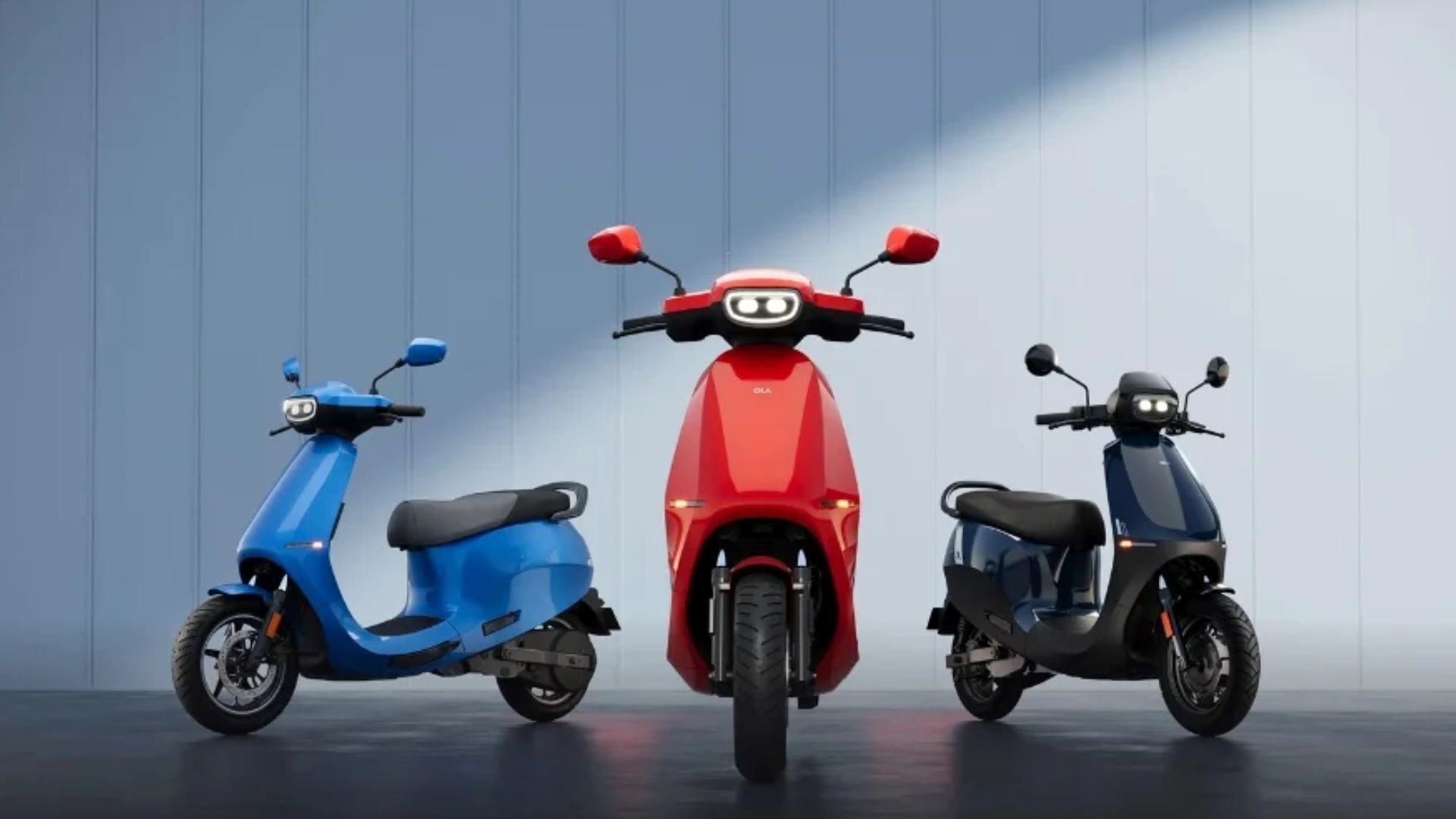
OET is the manufacturing and services backbone of Ola Electric’s two-wheeler business. It handles EV production, supply, and services across the entire value chain. In FY25, OET reported a turnover of ₹4,717.48 crore, down from ₹5,149.02 crore in FY24. That revenue dip mirrors the sales slump Ola Electric faced through much of the year, making this ₹1,500 crore capital push a clear signal that the company is betting on a recovery and wants OET ready for it.

OCT covers manufacturing, processing, assembly, export, sales, repair, and distribution of batteries and cells. It is the piece of Ola’s strategy that could define the company’s cost competitiveness over the next decade. Its FY25 turnover was ₹73 crore, up sharply from ₹3.97 crore in FY24, a near-18x jump that reflects a business still in early ramp-up mode but growing at a pace that justifies the ₹500 crore top-up.

In-house cell manufacturing is one of the hardest and most capital-intensive things an EV company can attempt. If Ola pulls it off at scale, it changes the equation on battery costs significantly.

How Does This Fit Ola Electric's Broader Recovery?

Ola Electric has had a rough ride through FY26. In Q3 FY26, its revenue from operations fell 55% year-on-year to ₹470 crore, while net loss stood at ₹487 crore (though that loss narrowed compared to the previous year as operating expenses declined). The registration numbers told a similar story for most of the year.

But there are real signs of stabilisation. March 2026 saw registrations more than double, and April continued that momentum with Ola Electric’s market share rising to 8.18%. The ₹2,000 crore infusion is designed to make sure the company has the manufacturing muscle to convert that recovering demand into sustained sales.

The broader context matters too. India’s electric two-wheeler segment is getting crowded fast, with players like Ather Energy, TVS iQube, and Bajaj Chetak all chipping away at Ola’s market share. Strengthening OET’s production capacity while simultaneously scaling OCT’s battery output is Ola’s answer to that pressure: build the verticals that competitors have to outsource, and use them as a long-term cost advantage.

What Does the ₹2,000 Crore Investment Mean for Investors and Watchers?

A few things stand out here for anyone tracking Ola Electric as a public market story.

First, both subsidiaries remain wholly owned by Ola Electric after this investment. The parent company retains 100% control, directly or indirectly, which means there’s no dilution of ownership, no new external partners, and no change in the group structure.

Second, the compulsory convertible preference share structure means these preference shares will eventually convert into equity, strengthening the equity base of OET and OCT without triggering an immediate dilution event at the listed parent level.

Third, the fact that the board is committing capital this size now, even while revenue is under pressure, suggests confidence in the recovery trajectory. Companies cutting costs and pulling back tend not to approve ₹2,000 crore subsidiary investments simultaneously.

A Calculated Bet on India's EV Future

Ola Electric’s ₹2,000 crore commitment to OET and OCT is not a panic move. It’s a structured, board-approved capital deployment with a clear deadline, a clean ownership structure, and a logical split between its vehicle manufacturing arm and its cell technology unit. The company is clearly playing a long game: build the verticals, own the supply chain, and emerge from a difficult FY26 with a stronger cost position than competitors who rely on external battery suppliers.

Whether OCT’s battery ambitions scale fast enough to matter competitively, and whether OET can convert the recent sales recovery into sustained growth, will be the real tests. But the direction is clear. Ola Electric is doubling down, not backing off.

Start typing and press Enter to search

Shopping Cart