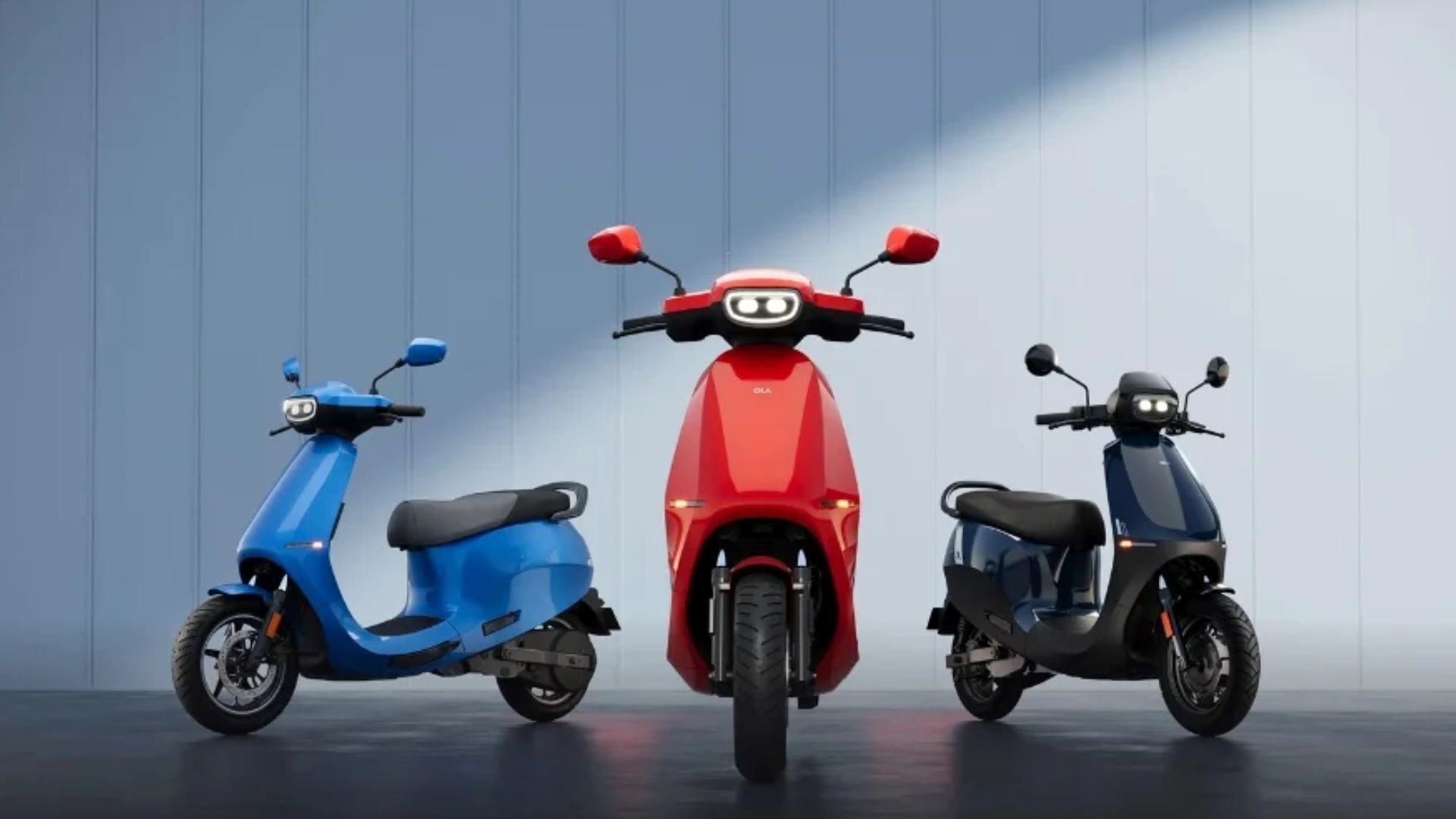
Understanding why these subsidiaries matter requires a quick look at what each one does.
OET is the manufacturing and services backbone of Ola Electric’s two-wheeler business. It handles EV production, supply, and services across the entire value chain. In FY25, OET reported a turnover of ₹4,717.48 crore, down from ₹5,149.02 crore in FY24. That revenue dip mirrors the sales slump Ola Electric faced through much of the year, making this ₹1,500 crore capital push a clear signal that the company is betting on a recovery and wants OET ready for it.
OCT covers manufacturing, processing, assembly, export, sales, repair, and distribution of batteries and cells. It is the piece of Ola’s strategy that could define the company’s cost competitiveness over the next decade. Its FY25 turnover was ₹73 crore, up sharply from ₹3.97 crore in FY24, a near-18x jump that reflects a business still in early ramp-up mode but growing at a pace that justifies the ₹500 crore top-up.
In-house cell manufacturing is one of the hardest and most capital-intensive things an EV company can attempt. If Ola pulls it off at scale, it changes the equation on battery costs significantly.