“Your Entire Brand is a Distraction” – Vineeta to 3 Sisters on Shark Tank India S05 Episode 30
About 3 Sisters
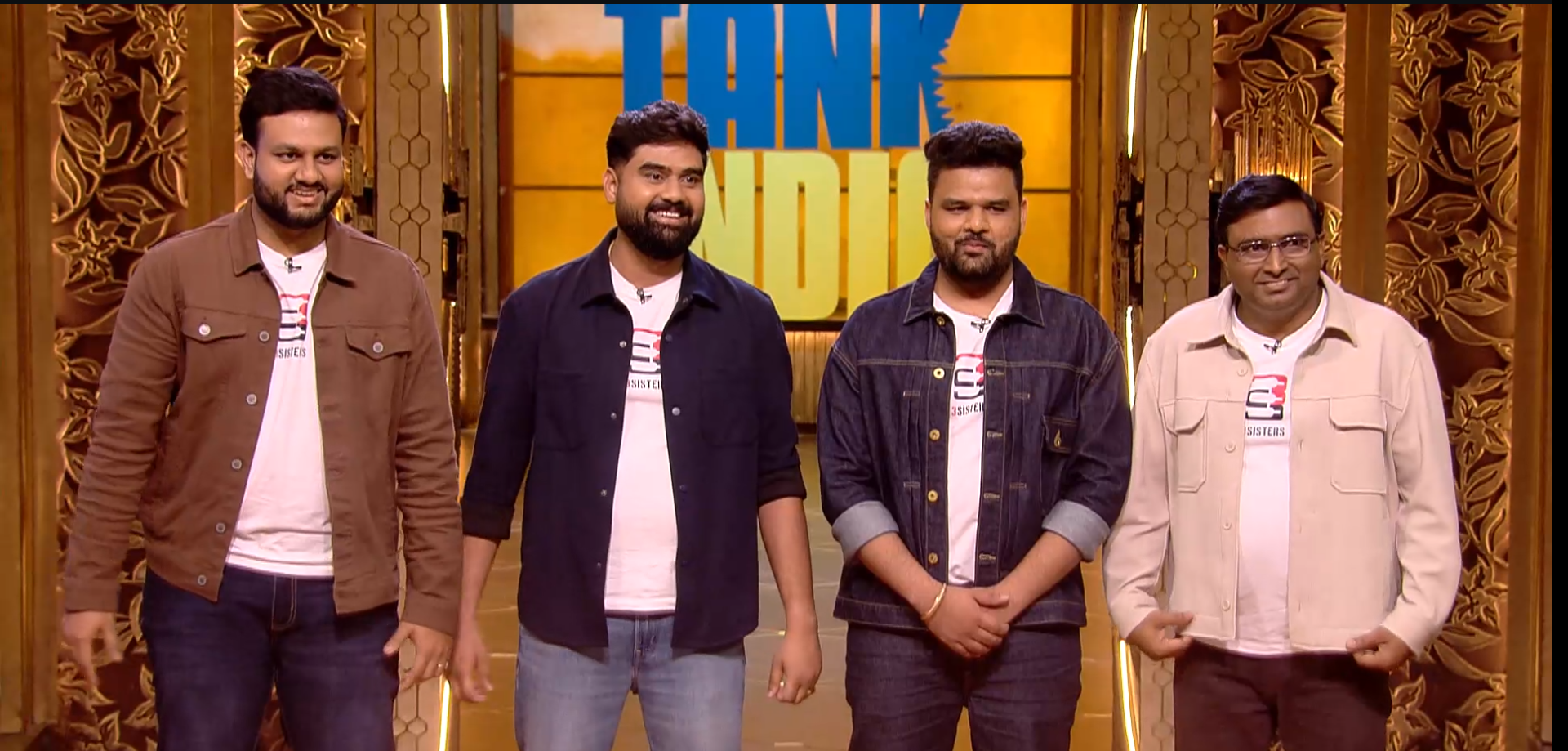
Despite the name, 3 Sisters is run by a small group of Mumbai-based founders, including Manish, Nimish, Akshay, and Sanjay. They joined Shark Tank to promote their beverage company’s flagship brand, Sanskari, which consists of a variety of non-alcoholic beers, sodas, and flavored drinks made for contemporary Indian consumers who want great taste without the hangover.
The firm markets itself as a next-generation beverage brand that prioritizes inclusion and refreshment, capitalizing on India’s rapidly increasing sober curiosity and health-conscious drink trends.
Official Website – 3 Sisters
The Product Line
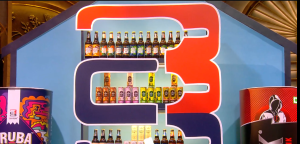
With products that replicate well-known beer and soda profiles, such as carbonated flavored beverages and non-alcoholic beer versions, but with no alcohol content, Sanskari by 3 Sisters stands apart in the non-alcoholic drink market. This makes them appropriate for ordinary refreshment, social events, and celebrations.
Younger consumers who desire social beverage experiences free from the negative effects of alcohol use are the target market for the brand.
The Shark Tank Pitch of 3 Sisters

When the 3 Sisters team entered the Tank, they demanded ₹3 crore in return for 2.5% shares, putting the company’s valuation at about ₹120 crore. The brand’s development, manufacturing scaling, and retail distribution expansion across multiple locations were all described by the founders.
They told Sharks that this sector is growing quickly as customer preferences change toward healthier options, emphasizing both unit sales and the lifestyle impetus behind non-alcoholic beverages.
Key elements in the beverage industry, including as distribution routes, shelf life, profit profile, and competitive distinctiveness, were all examined by the Sharks during the discussion. The founders also discussed how they have gained momentum in both urban and suburban sectors thanks to their branding and retail network.
The topic of the business model swiftly came up. The founders described their sources of income, which included events, e-commerce, contemporary retail, and hospitality locations. They emphasized their approach of focusing on occasion-based consumption instead of the competition from regular soft drinks.
The Sharks concentrated on unit economics when the topic of finances came up. Production costs, margins, distributor charges, and pricing strategy were all questioned. As with the majority of beverage companies, scalability and profitability emerged as key issues.
The Sharks looked into consumer behavior as well. They investigated whether the product serves as a novelty or encourages recurring purchasing. Growing customer acceptance of non-alcoholic substitutes was highlighted by the creators.
Another prominent element emerged: competition. The startup’s defense against big beverage companies entering the market was questioned by the sharks. In response, the founders emphasized category momentum, early traction, and brand positioning.
Clarity of the market and branding were also closely examined. Sharks investigated how Sanskari sets itself apart from soft drinks and whether Indian customers had a clear understanding of non-alcoholic beer.
The Ask
Funding Ask: ₹3 crore for 2.5 % equity — implying a proposed valuation of ~₹120 crores.
Sharks Reactions
Shark Vineeta Singh called the entire brand a “distraction” where contract manufacturing is the real business, thus she opted out.
Shark Namita advised the founders to focus on the strategy of brand building, she backed out suggesting that.
Shark Viraj Bahl made a roadmap for their company with genuine advises but he thought he could not enter in their brand at this stage.
Shark Varun just didn’t like their products as a consumer, thus he didn’t make any offer.
Shark Kunal Bahl also pointed out their impressive team but lack of focus, for that reason he also backed out.
After taking all the notes, 3 Sisters exited Shark Tank India without any offers or deals.

- How Swish is Winning the 10-Minute Food Delivery Race with $38 Million New Funding - March 26, 2026
- ₹94.88 Crore Invested as Shark Tank India Season 5 Concludes, Aman Tops List - March 25, 2026
- Top AI Photos & Video Platforms For Every User in 2026 - March 24, 2026