Kilrr on Shark Tank India: Anupam Mittal’s Conditional ₹1 Crore Bet Despite 1% Repeat Rate

kilrr founder

Three points you will get to know in this article:

1. Kilrr secured ₹1 crore from Anupam Mittal at 1.06% equity
2. Only 1% customer repurchase rate raised serious red flags
3. Brand expects ₹13 crore revenue despite negative profitability margins

Kilrr on Shark Tank India: Anupam Mittal's Conditional ₹1 Crore Bet Despite 1% Repeat Rate

Shark Tank India Season 5 witnessed a meat spice brand walking a tightrope between ambitious valuations and troubling unit economics. Kilrr, founded by Hitesh Bhagia, entered the tank with bold projections and a category-creation narrative. But the sharks weren’t easily convinced, especially when the numbers told a different story than the pitch.

The brand specialises in non-vegetarian marinades and spice blends, positioning itself as a kitchen saviour for home cooks who want restaurant-quality flavour without the fuss. However, underneath the glossy packaging and social media momentum, there were cracks that several sharks couldn’t ignore.

What Is Kilrr?

Kilrr isn’t your typical masala brand. It’s built exclusively around meat-based cooking, chicken, mutton, fish, and eggs. The brand offers 11 different marinade flavours, each containing a complex blend of 26 ingredients. What sets it apart? There are no preservatives, no artificial colours, and no unnecessary additives.

The pitch was simple: grab a packet, add water and ghee, and you’ve got a marinade ready in minutes. No chopping, no mess, no stress. For busy households, that convenience angle is appealing. But convenience alone doesn’t build a sustainable business, as the sharks would soon point out.

With a shelf life of 6 months and a clean-label promise, Kilrr wants to own the space between traditional home cooking and store-bought ready-to-eat meals. The founder’s vision? To become the go-to brand for anyone cooking non-veg at home.


Official Website – Kilrr

Who's Behind Kilrr?

Hitesh Bhagia, a Delhi-based entrepreneur, launched Kilrr in December 2023. He’s not a first-time founder. His professional background includes stints at Citibank and the Indian Express, and he completed his MBA back in 2009.

Before Kilrr became a packaged product, Hitesh was experimenting in his own kitchen. He started posting videos of his homemade spice blends online, and the response was overwhelming. Orders started pouring in. That organic traction gave him the confidence to formalise the brand and scale production.

His content-driven approach worked. Early customers came through his own social media presence, which helped build initial momentum without heavy ad spends. But as the business grew, so did the complexities, and that’s where the sharks began digging.

The Numbers Behind Kilrr: Revenue, Funding, and Unit Economics

Hitesh didn’t hold back when presenting his financials. Kilrr had already raised ₹2.7 crore at a ₹19 crore valuation in March 2024 to set up manufacturing infrastructure. A few months later, DSG Consortium led another round, pumping in ₹9.3 crore at a whopping ₹94.3 crore valuation.

That’s a steep jump in valuation in a short span, and it raised eyebrows.

Revenue Growth:

The brand’s revenue trajectory showed aggressive growth:

  • Jul–Sep (Q2 FY25): ₹20 lakh
  • Q3: ₹90 lakh
  • Q4: ₹1.6 crore
  • Total first-year revenue: ₹2.6 crore


The following year looked even more promising on paper:

  • Q1: ₹2.5 crore
  • Q2: ₹2.5 crore
  • Q3 (estimated): ₹3 crore
  • Q4 projection: ₹5 crore
  • Expected annual revenue: ₹13 crore
  • Q1
  • Q2
  • Q3 (estimated)
  • Q4 projection

Profitability (or Lack Thereof):

Despite the revenue growth, profitability remained elusive. The first year closed with a net loss of ₹90 lakh. For the projected year, the founder estimated a bottom line of –25%.

Unit Economics Breakdown:

This is where things got messy.

  • Gross margin: ~65% (decent for FMCG)
  • Logistics & secondary packaging: ~12%
  • Performance marketing spend: ~51% (this is where the alarm bells rang)
  • Contribution margin: ~2%


After accounting for fixed costs like salaries and overheads, the margins were paper-thin. The business was burning cash to acquire customers, and those customers weren’t sticking around.

Distribution Channels:

  • 55% through D2C
  • 35% via quick commerce platforms
  • 10% via Amazon
  • D2C
  • Quick commerce platforms
  • Amazon

The Repeat Purchase Problem:

Out of every 100 customers, only 1 came back within a year. That’s a 1% repeat rate, a devastating metric for a consumable product. If customers aren’t repurchasing, you’re essentially renting revenue, not building a brand.

The Pitch and the Ask

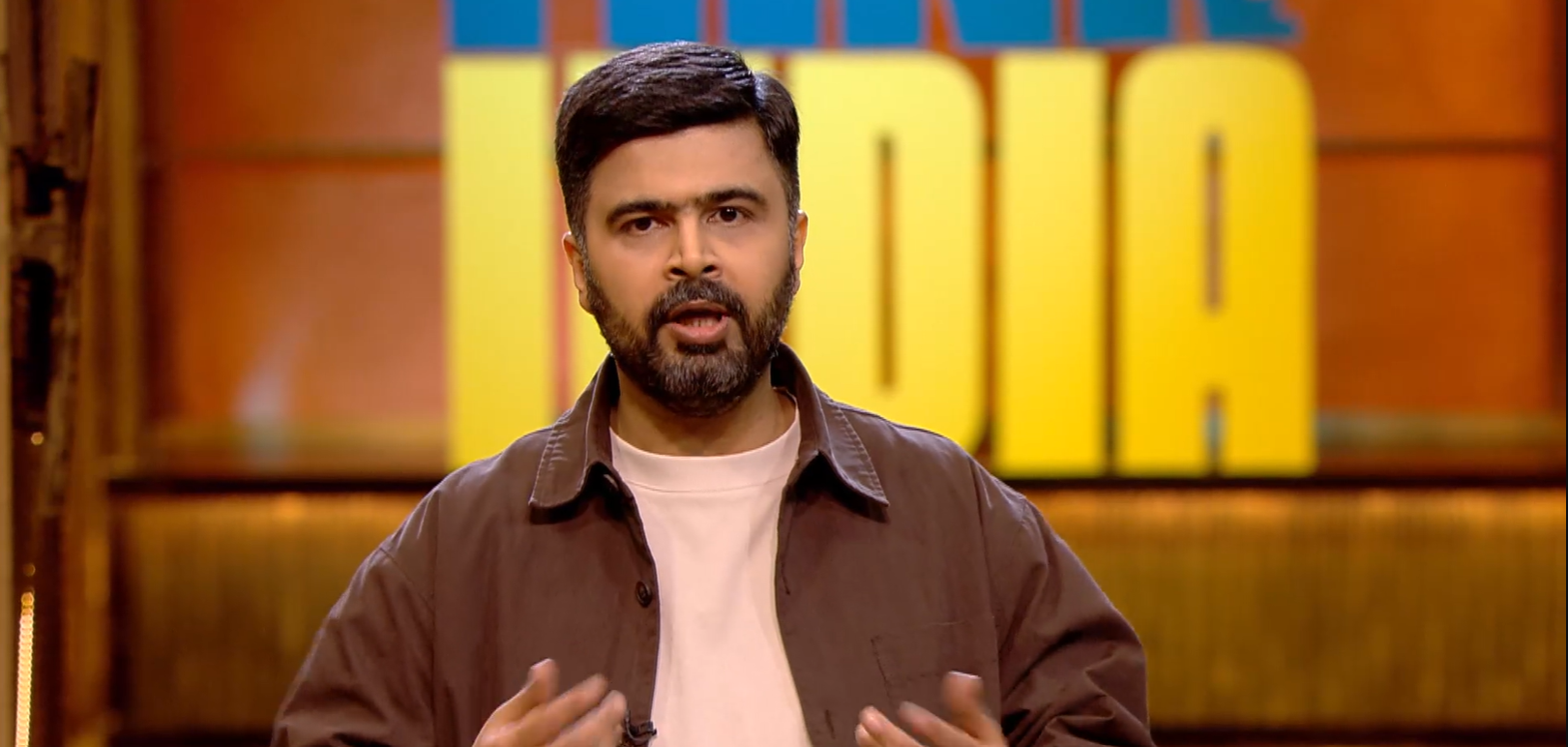
Hitesh walked into the tank asking for ₹1 crore in exchange for just 1% equity, valuing Kilrr at ₹100 crore. His pitch emphasised the brand’s potential to become a category leader in meat seasonings, expanding into fish, mutton, egg, and other segments.

He positioned Kilrr as a brand built on content, community, and convenience. The early traction was real, the product differentiation was clear, and the ambition was sky-high. But the sharks weren’t buying the valuation, at least not without serious questions.

Sharks' Reactions: Who Backed Out and Why?

Namitha Thapar and Shaily Mehrotra: Namitha was the first to voice concerns. She said, “Shelf life 6 months… quick commerce doesn’t take below 75%.” She also pointed out that inventory worth ₹600 would shrink to ₹150 on quick commerce platforms due to margins and fees. “That is another red flag,” she added.

Shaily Mehrotra echoed the sentiment, saying, “If DSG gave such a good valuation, I don’t want to match that, so I’m out.”

Aman Gupta: Aman appreciated the product, the pricing, and the founder’s hustle. But he couldn’t justify getting involved for just 1% equity. The stake was too small to make a meaningful impact, so he opted out.

Anupam Mittal’s Conditional Offer: Anupam Mittal saw potential but wasn’t blind to the red flags. He offered ₹1 crore at a ₹94.3 crore valuation (1.06% equity), but with a critical condition: Kilrr must pass a customer-love diligence. He said, “I will give you one crore but I want the customer love diligence passed… because I don’t see it in your numbers.”

Kunal Bahl’s Offer and Positioning Critique, “Yaar mereko Aaloo Paneer Nahi karna hai”

Kunal liked the product but had strong views on positioning. He said, “Yaar mereko Aaloo Paneer Nahi karna hai”, meaning he wanted Kilrr to stay laser-focused on non-veg, not dilute into general masalas.

He offered ₹1 crore for 2% equity, no strings attached.

Why Hitesh Chose Anupam Over Kunal

Despite Kunal’s cleaner offer, Hitesh went with Anupam. Why?

In his own words: “The valuation at that time for me did not work with Kunal’s valuation and Anupam gave a very generous offer… so I thought taking that decision was correct.”

Essentially, Hitesh valued the higher valuation and believed he could meet Anupam’s customer-love diligence condition. Whether that confidence was justified remains to be seen.

What's Next for Kilrr?

Hitesh has big plans. The brand intends to expand its product line with:

  • Additional gravy spice blends
  • Biriyani masala
  • Egg bhurji masala


The long-term vision is to build a comprehensive spice empire covering all meat categories, chicken, fish, mutton, eggs, and beyond.

Operationally, the focus is on improving repeat purchase rates and scaling retail distribution. Without repeat customers, the brand will continue burning cash on acquisition. If Hitesh can crack the loyalty puzzle, Kilrr might just become the powerhouse he envisions.

Start typing and press Enter to search

Shopping Cart