How NeuraSim is Using Virtual Reality to Treat Eye Disorders: NeuraSim on Shark Tank India

NeuraSim on Shark tank India

Three points you will get to know in this article:

  • NeuraSim uses VR technology for treating amblyopia, squint eyes, and vision disorders.
  • Sharks questioned the equity split, patent clarity, and pre-revenue status.
  • Despite no deal, the founders gained mentorship and industry insights.

What is NeuraSim?

Virtual reality isn’t just for gaming—it’s changing the way medical treatments are delivered. Enter NeuraSim, a Karnataka-based startup using VR for eye therapy.

Their flagship product, Bee VeeTM, is a CE-certified immersive VR therapy designed to treat:

  • Amblyopia (Lazy Eye)
  • Squint Eyes
  • Headaches Linked to Eye Strain
  • Eye Movement Disorders


By combining neuroscience with vision therapy, NeuraSim aims to make non-invasive eye treatment more effective, engaging, and widely accessible.

Related:

The Founders of NeuraSim

NeuraSim was founded by Dr. Ramesh S Ve and Mr. Maciej Kossowski, both known for their expertise in healthcare innovation.

NeuraSim’s Equity Split

  • Ramesh S Ve: 33.34%
  • Maciej Kossowski (Polish Partner):33%
  • Pradeep:33%
  • Girish: 8%
  • Dr. Ramesh S Ve
  • Maciej Kossowski (Polish Partner)
  • Pradeep
  • Girish

This global partnership brings together medical expertise, technology, and business strategy, but it also raised concerns among the sharks during the pitch.

How NeuraSim’s VR Therapy Works

Traditional treatments for conditions like amblyopia (lazy eye) often require patching one eye for hours daily, which can be frustrating, especially for children.

NeuraSim’s Bee VeeTM therapy offers an alternative:

  1. Uses VR Headsets to create a controlled, immersive environment.
  2. Engages both eyes through specialized training programs.
  3. Improves Stereopsis & Fusion (depth perception & eye coordination).
  4. Personalized Therapy Sessions adapt based on the patient’s response.


By making treatment more interactive and effective, NeuraSim hopes to modernize eye care using cutting-edge VR technology.

NeuraSim on Shark Tank India

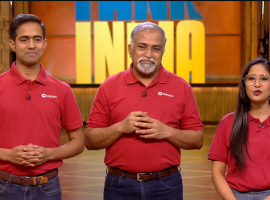
The founders stepped into Shark Tank India, seeking, ₹1 crore for 8% equity, valuing the company at ₹12.5 crore.

While the sharks were impressed by the vision, they didn’t invest due to some major concerns.

The Sharks’ Concerns and Why They Said No?

Despite the exciting potential of VR in healthcare, the sharks had serious doubts about NeuraSim’s business readiness.

Unclear Patent & IP Protection

  • The company claimed to have a patent, but the details were not clear.
  • Sharks needed assurance that the technology was proprietary and defensible.

Equity Structure Complications

  • A major co-founder (Maciej Kossowski) was absent from the pitch.
  • The 33.33% foreign ownership raised concerns about decision-making authority.
  • Investors typically prefer a founder-led company with majority control.

Pre-Revenue Status

  • No revenue proof made it difficult for sharks to gauge the market demand.
  • Scaling potential was uncertain, as the company hadn’t tested real-world adoption.


Given these issues, the sharks backed out, but they acknowledged the potential impact of VR in medical therapy.

Lessons from NeuraSim’s Shark Tank India Experience

Even though the company didn’t secure funding, the experience provided valuable takeaways:

Clarity on Patents & Ownership Matters – Investors need clear legal protection before committing funds.

Pre-Revenue Startups Need Market Validation – Without proven demand, even innovative ideas struggle to attract funding.

Investor-Ready Business Structures Are Crucial – A complicated equity split can deter potential investors.

While Shark Tank India didn’t work out, NeuraSim remains at the forefront of VR-based eye therapy.

With the right adjustments, the company has a real shot at leading the Indian market for virtual reality medical solutions. If they can:

  • Refine their business model,
  • Generate strong sales traction, and
  • Strengthen their intellectual property,


They may find investors willing to bet on the next wave of VR-driven healthcare.

Manvendra Hada

Start typing and press Enter to search

Shopping Cart