OLA: History of A Startup Giant

2008-2010: Days of Inception
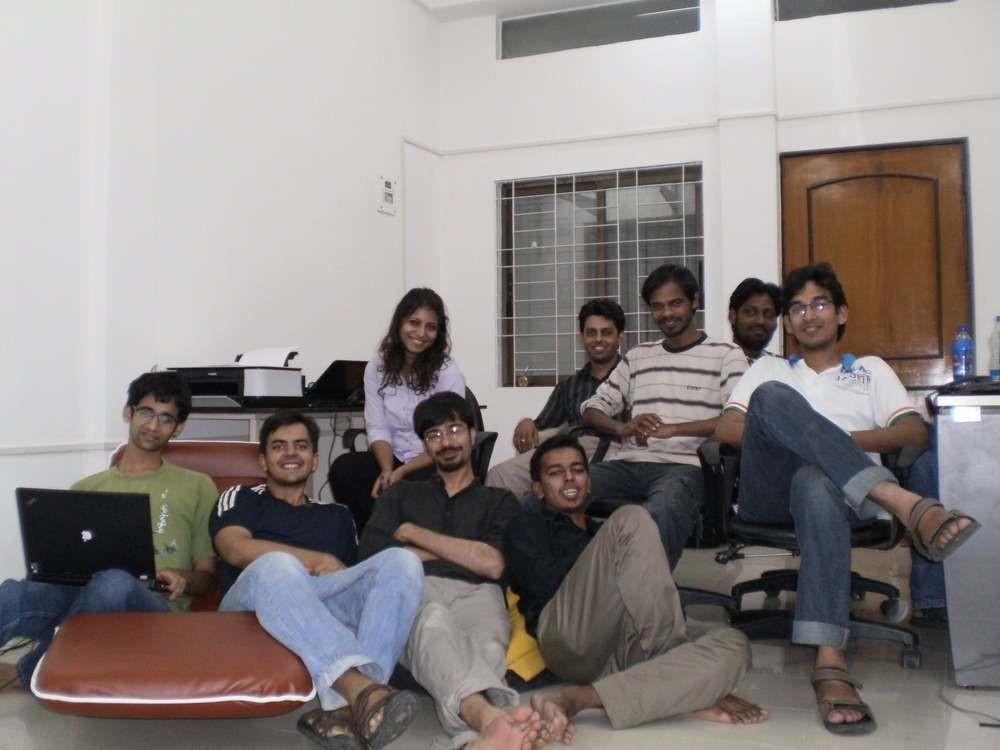
In December 2010, Bhavish Aggarwal and Ankit Bhati, both former students of the Indian Institute of Technology (IIT) Bombay, launched Ola, which was first known as OlaCabs. In Mumbai, India, the company started out as an online taxi aggregator with the intention of facilitating easier and more convenient transportation.
2011-2013: Phase of Expansion and Growth
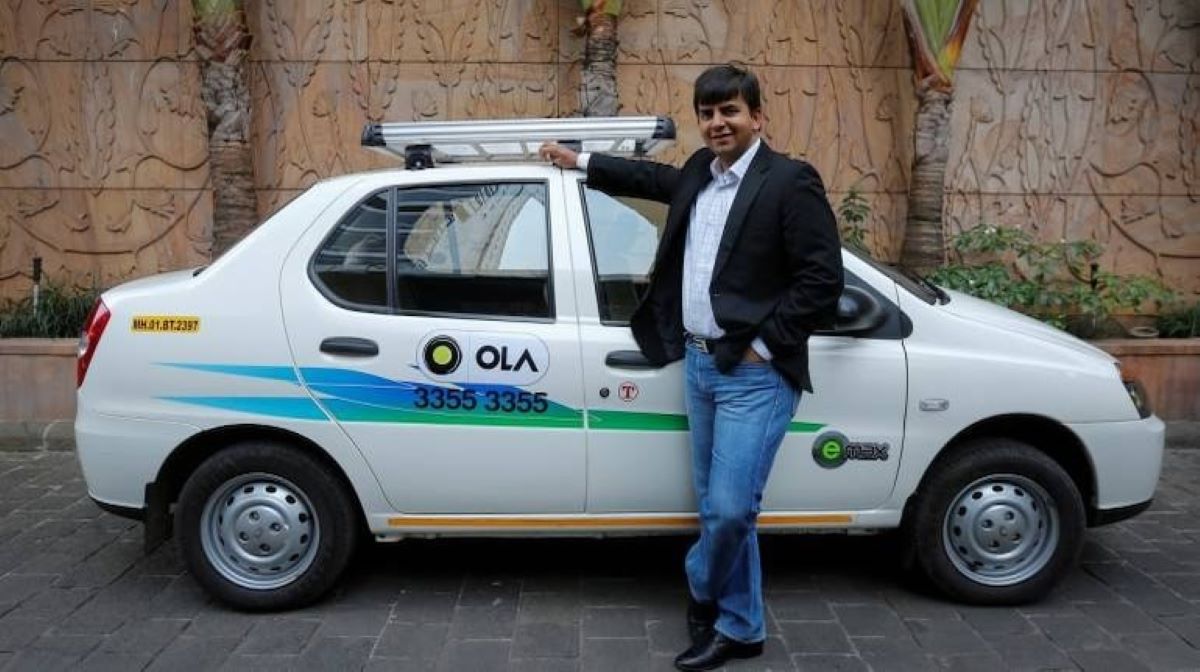
2011 saw the first significant investment in Ola come from a number of investors, including Rehan Yar Khan and Anupam Mittal. With the aid of this finance, Ola was able to grow its business to include big cities like Bangalore and Delhi.
In order to facilitate users’ ability to book taxis while on the go, the company switched from a web-based platform to a mobile app around this time.
By 2013, Ola was well-established in a number of Indian cities, and it was expanding quickly, bringing on additional drivers and cars to its network.
2014-2016: Milestones on the Way
In 2014 and 2015, Ola secured large fundraising rounds, including a $210 million Series D round headed by SoftBank. Ola was able to make significant investments in technology, driver incentives, and customer acquisition thanks to this infusion of funding.
Uber began operating in India in 2013, and Ola responded by launching a number of new options, including Ola Share, a carpooling service, and Ola Mini, which is intended for people on a budget.
By the end of 2015, Ola had expanded its services to include shuttle buses and auto-rickshaws, and it was operating in more than 100 Indian cities.
2017-2019: Diversification, Acquisitions and Global Ventures
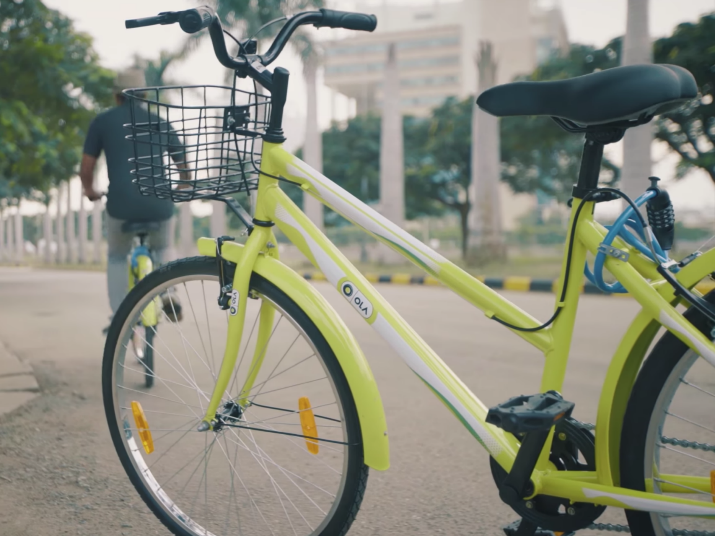
Throughout 2017 and 2019, Ola persisted in innovating and broadening its service offerings. In an effort to encourage the use of electric vehicles (EVs) in India, the firm introduced Ola Electric and Ola Pedal, a bicycle-sharing service, in 2017.
Ola began expanding into foreign markets the next year, first to Australia in January 2018, then to the UK in August 2018, and finally to New Zealand in the latter part of the year.
Ola also made calculated acquisitions to increase its market share in the food delivery industry, including Foodpanda India. SoftBank contributed $250 million to Ola Electric in 2019, demonstrating the company’s dedication to the EV business.
2020-2021: Navigating Challenges and New Initiatives
Ola had a lot of difficulties during the COVID-19 epidemic because of the travel bans and lockdowns that had a big effect on the ride-hailing business. Ola responded by focusing on its delivery and logistics services through Ola Foods and Ola Dash and implementing additional safety procedures.
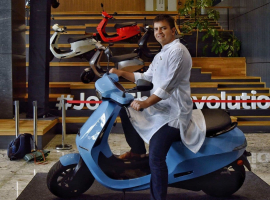
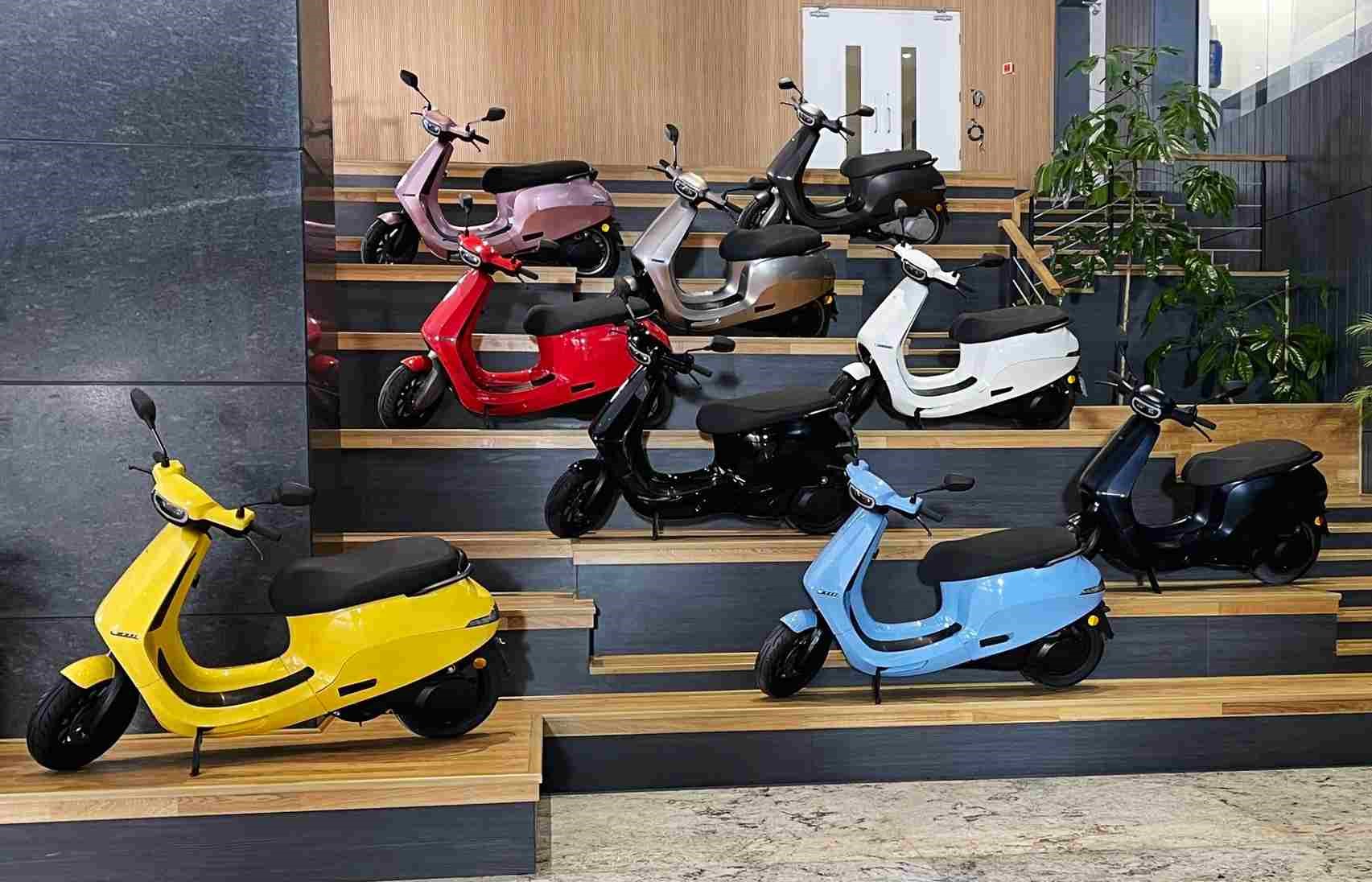
Furthermore, Ola Electric made progress in the EV market by introducing the Ola S1, the company’s first electric scooter, in August 2021. Notwithstanding the difficulties, Ola persisted in innovating, introducing the Ola Hypercharger Network, a national network of charging stations for its electric scooters.
2022-2024: Consolidation and Future Prospects
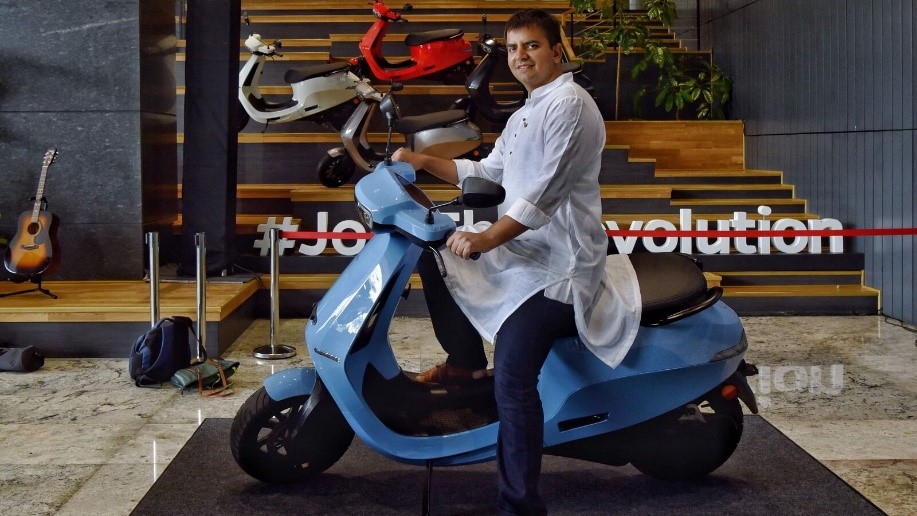
Ola has concentrated on strengthening its position in both home and foreign markets in recent years. The business has improved its infrastructure for charging EVs and increased the range of EVs it offers.
The market reacted favorably to Ola Electric’s scooters, and the business revealed ambitions to create electric vehicles. With the introduction of features like in-app safety tools and real-time tracking, Ola continued to improve its technology and ride-hailing experience.
By 2024, Ola had become a clear leader in the Indian mobility business and was becoming more and more visible in the EV industry worldwide.
Ola Electric: History in the making

“Ola Electric: History in the Making”
Ola Electric has emerged as a pioneering force in the electric mobility revolution, shaping the future of transportation with its innovative solutions and sustainable approach. Founded as a subsidiary of the ride-hailing giant Ola, Ola Electric is committed to accelerating the adoption of electric vehicles (EVs) and reducing carbon emissions. With a vision to create a cleaner, greener planet, Ola Electric is rewriting the rules of mobility, one electric vehicle at a time. This is the story of a company at the forefront of history, driving change and reshaping the landscape of transportation for generations to come.
2017-2018:
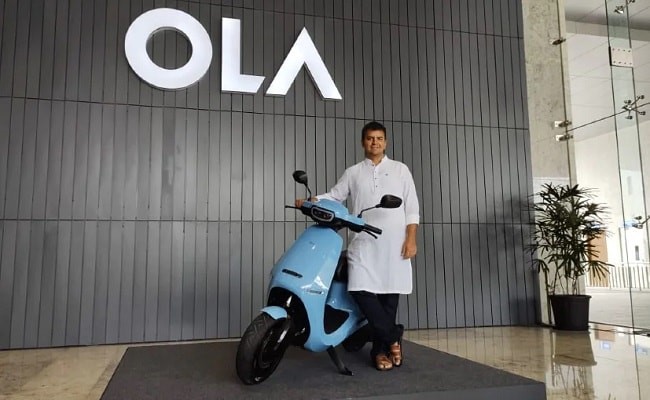
ANI Technologies Pvt. Ltd., the parent company of Ola, established Ola Electric in 2017 with the goal of completely changing the electric vehicle (EV) market in India.
With the founding of Ola Electric, Bhavish Aggarwal fulfilled his long-held goal of making a substantial contribution to environmentally friendly transportation solutions that would support green energy and reduce carbon footprints in line with worldwide trends.
Ola Electric initially concentrated on building EV infrastructure, especially charging stations, to assist India’s rapidly expanding electric vehicle market.
2019:
Ola Electric raised $56 million in March 2019 from investors like as Matrix India and Tiger Global, demonstrating the market’s faith in the company’s ambition. Subsequently, in July 2019, Ola Electric received a substantial $250 million investment from SoftBank, bringing its valuation close to $1 billion, making it one of the few unicorns in the electric vehicle market.
The money was set aside for both the creation of a strong nationwide charging network and in-depth research and development. Ola Electric also started looking at battery swapping technology as a possible revolutionary development for the electric vehicle market.
2020-2021:
Despite the obstacles presented by the COVID-19 pandemic, Ola Electric achieved notable advancements in its product development process.
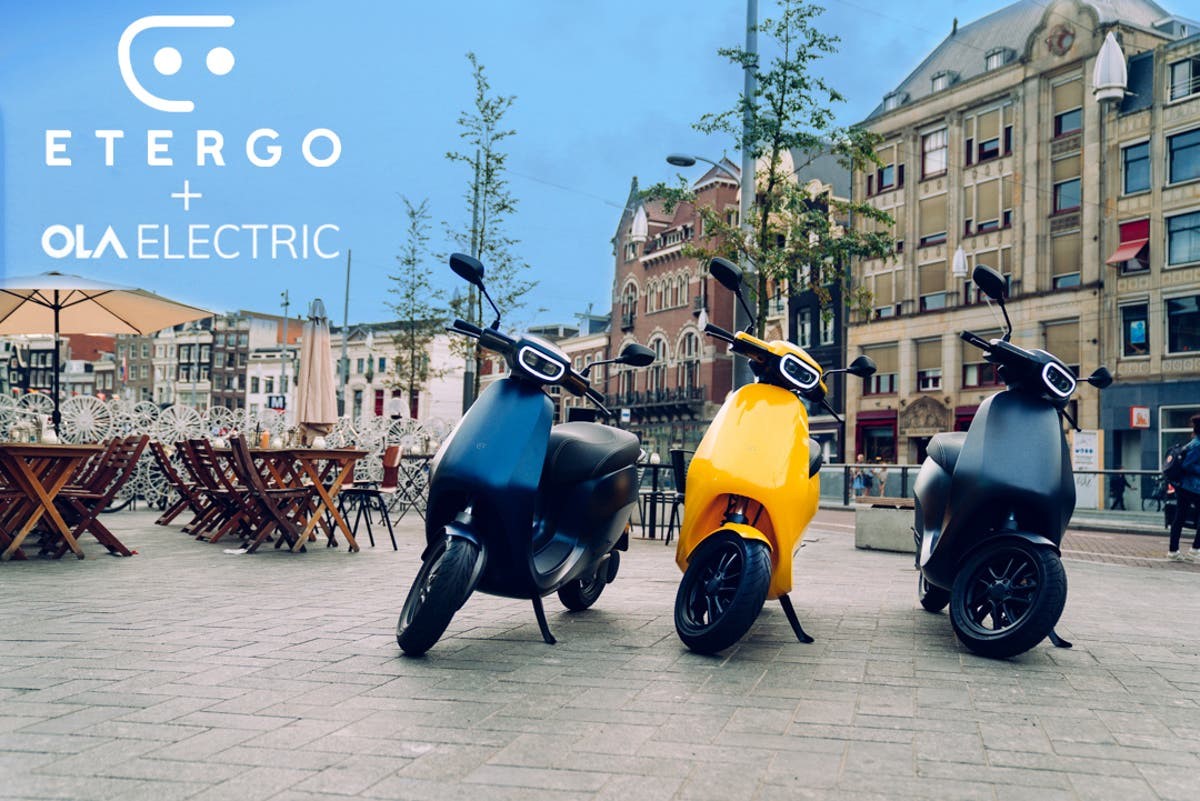
Ola Electric purchased Amsterdam-based Etergo in May 2020; Etergo is best recognized for creating the cutting-edge AppScooter electric scooter. Ola Electric has access to cutting-edge technologies and EV manufacturing know-how with this acquisition. Ola Electric debuted the Ola S1, its first electric scooter, in August 2021, on Etergo’s technology.
The S1 and its more sophisticated version, the S1 Pro, which had a range of more than 100 kilometers on a single charge, clever connection capabilities, and a reasonable pricing point, were on display at the launch event.
2021:
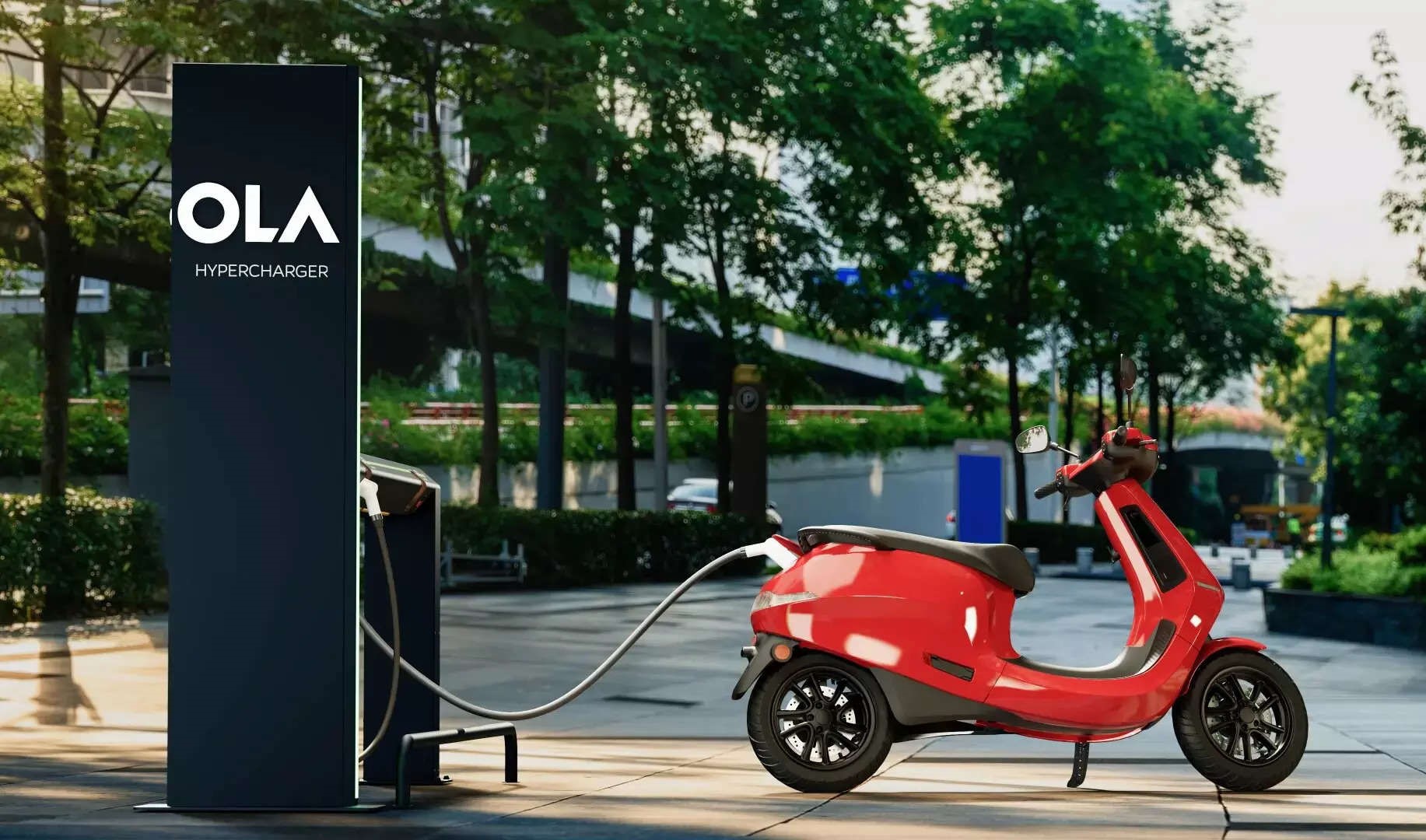
Ola Electric concentrated on developing the infrastructure required to service its EVs in addition to developing new products. The Ola Hypercharger Network, a vast charging network designed to offer quick and easy charging options throughout India, was unveiled by the firm.
Ola Electric had installed a large number of hypercharging stations in important cities and along important travel routes by the end of 2021. The first batch of Ola S1 scooters sold out within hours of its launch, demonstrating the very enthusiastic response from the market. Ola Electric’s strategic strategy and preparation for the market were validated by this success.
2022-2023:
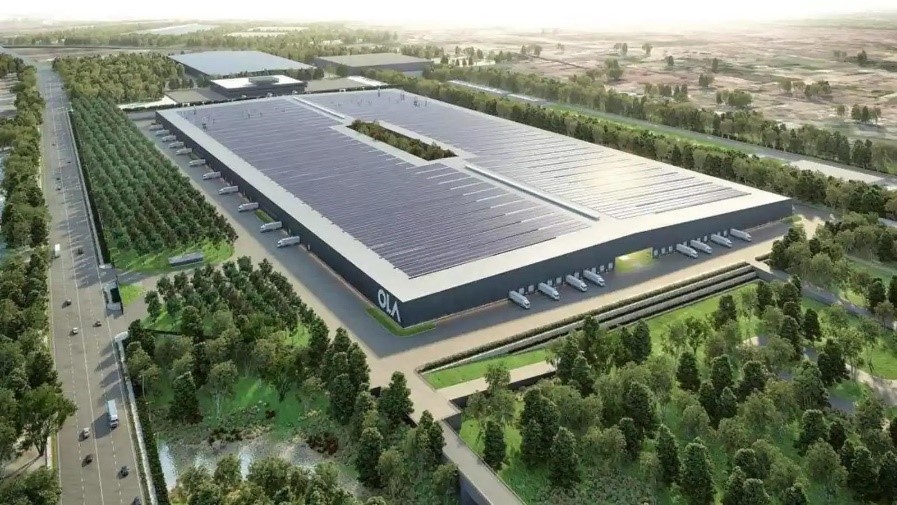
Ola Electric expanded its production capacity in 2022 when it opened the Ola Futurefactory in Tamil Nadu, which is billed as the biggest two-wheeler manufacturing plant in the world. Ola Electric’s dedication to sustainability is highlighted by the factory’s architecture, which makes it a carbon-negative establishment.
To keep up with the enormous demand for the Ola S1 and S1 Pro scooters, production greatly increased. The business also declared its intention to enter the electric vehicle market, with a goal of introducing a variety of models by 2024.
Ola Electric persisted in its innovation, improving user experience with features like Hyper Mode and Cruise Control.
2023-2024:
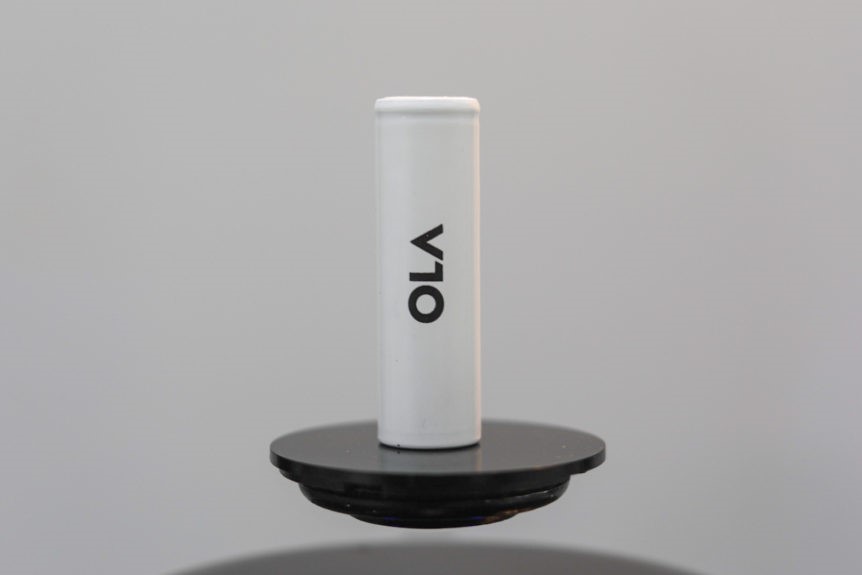
Ola Electric had become a market leader in India for electric two-wheelers by 2023. In response to feedback from customers, the company improved and added additional models to its inventory.
Ola Electric also advanced battery technology by developing batteries internally to lower dependency on outside suppliers and increase cost effectiveness.
In 2024, Ola Electric plans to introduce its first electric vehicle with the goal of upending the established auto industry with cutting-edge design, affordable prices, and cutting-edge technology. The company’s continuous investments in production capacity, infrastructure, and research and development demonstrate its long-term dedication to spearheading the electric vehicle revolution in India and beyond.

- Ed-Tech Giant PhysicsWallah’s IPO Opens on November 11 and has a ₹103–109 Price Range - November 6, 2025
- Bhavish Aggarwal: The Visionary Behind Ola Electric - August 31, 2025
- OLA: History of A Startup Giant - August 30, 2025