FXCON 2026 – Charts Roadmap for a Stronger, Digitally Enabled and Future-Ready FFMC Sector.

FXCON 2026 – Charts Roadmap for a Stronger, Digitally Enabled and Future-Ready FFMC Sector.
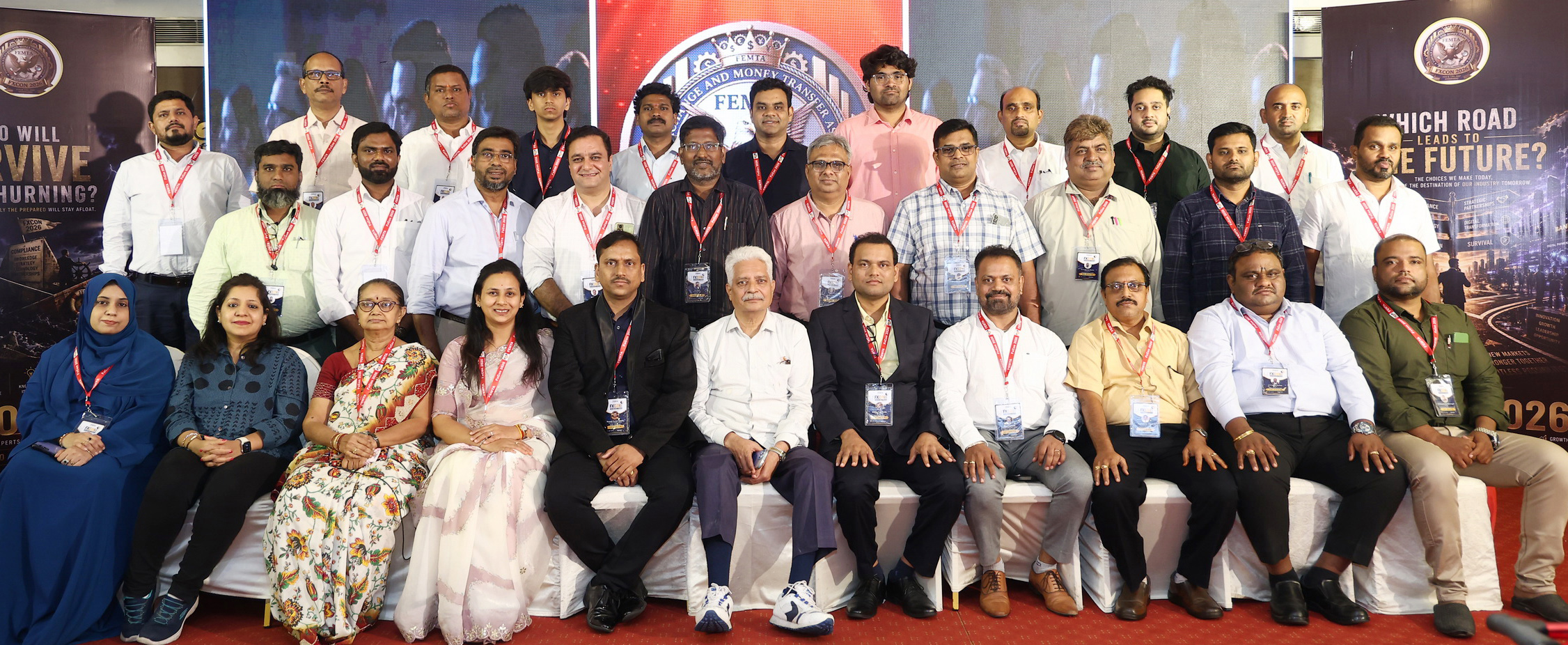
Three points you will get to know in this article:

  1. How India’s FFMC industry is undergoing digital revolution thanks to FXCON 2026.
  2. The most recent developments in foreign exchange regulations, compliance, and technology.
  3. Why strengthening and preparing the FFMC ecosystem for the future requires cooperation.

Learn how FXCON 2026 is using digital innovation, regulatory upgrades, and future-ready tactics to transform the FFMC sector in India.

FXCON 2026: Outlines a Stronger, Digitally Enabled, and Future-Ready FFMC Sector Roadmap

With the growth of international travel, cross-border trade, international education, and digital financial services, India’s foreign exchange ecosystem is changing quickly. Policymakers, regulators, industry executives, fintech innovators, and Full-Fledged Money Changers (FFMCs) convened at FXCON 2026 to explore the future of India’s foreign exchange business in response to the industry’s expanding demands.

Building a robust, transparent, and digitally enabled FFMC ecosystem that can match international standards while guaranteeing customer ease, legal compliance, and technical growth was the main goal of the conference.

FXCON 2026 demonstrated how modernization is now necessary for all licensed money changers operating in India, as digital payments become more commonplace and client expectations shift.

The FFMC Sector: What is it?

The Reserve Bank of India (RBI) has given Full-Fledged Money Changers (FFMCs) permission to buy and sell foreign currency for specific uses. They assist tourists visiting India, businesses engaged in international transactions, individuals traveling overseas, and students studying abroad.

FFMCs are becoming more and more crucial in enabling safe and legal foreign exchange transactions as global mobility rises.

Why FXCON 2026 Is Important

Unprecedented changes are occurring in the foreign exchange industry due to:

  • Quick digitization
  • An increase in travel abroad
  • Growth in international education
  • Global business expansion
  • Growing use of fintech products
  • More stringent criteria for compliance

A path for addressing these changing issues while embracing innovation was given to stakeholders by FXCON 2026.

India’s foreign exchange ecosystem needs to become more customer-focused, technologically sophisticated, and globally competitive, according to the conference.

Digital Transformation Becomes the Main Event

Digital transformation was one of the main topics covered at FXCON 2026.

Digital solutions that streamline operations and enhance client experiences are being used by traditional foreign exchange companies at an increasing rate.

Among the significant digital projects are:

  • Online currency reservations
  • Verification of digital KYC
  • Forex services using mobile devices
  • Automated monitoring of compliance
  • AI-driven fraud detection
  • Transaction management via the cloud
  • Systems for real-time reporting

These technologies enhance transaction speed, transparency, and regulatory compliance while lowering operating costs.

Enhancing Regulatory Compliance

One of the most crucial duties for FFMCs is still compliance.

Experts talked about how regulatory technology (RegTech) may streamline compliance procedures without adding to operational complexity at FXCON 2026.

Among the key areas of concentration were:

  • AML, or anti-money laundering
  • Understand Your Client (KYC)
  • Risk evaluation
  • Monitoring of transactions
  • Digital records
  • Cybersecurity
  • Data confidentiality

Businesses may identify suspicious activity more quickly and with less manual labor thanks to modern compliance solutions.

The Expanding Function of Fintech

Foreign exchange and other financial services are being transformed by fintech firms.

FXCON 2026 urged FFMCs to work with technology companies instead of seeing fintech as a rival.

Fintech integration has the following advantages:

  • Quicker onboarding of clients
  • Automated updates for exchange rates
  • Online wallets
  • Safe payments made online
  • Increased consumer interaction
  • AI-driven analytics
  • Enhanced operational effectiveness

In an increasingly digital market, technology partnerships can help traditional money changers stay competitive.

Improving the Client Experience

Consumers of today demand flawless digital services.

Customer satisfaction will become a crucial differentiator for FFMC enterprises, according to FXCON 2026.

Customer services that are prepared for the future include:

  • Quick currency reservations
  • Exchange rates that are transparent
  • Applications for mobile devices
  • Digital records
  • Quicker approvals
  • Tailored assistance
  • Safe online transactions

Enhancing customer convenience promotes long-term loyalty and fosters trust.

Cybersecurity Gains Priority in Business

Cybersecurity is becoming increasingly important as digital adoption rises.

Foreign exchange companies deal with private and sensitive financial data that needs strong security.

Experts in the field emphasized the significance of:

  • Multiple-factor verification
  • Safe payment methods
  • Encrypting data
  • Security of networks
  • Training on employee awareness
  • Constant surveillance of security
  • Planning for incident reaction

Investing in cybersecurity shields consumers and companies from new online dangers.

Getting Ready for Forex's Future

FXCON 2026 also explored long-term trends expected to shape the industry over the coming years.

These include:

  • Artificial Intelligence
  • Learning by Machine
  • Automation using blockchain technology
  • Verification of digital identities
  • High-level analytics
  • Intelligent compliance systems

Early adopters of innovation will be better equipped to handle evolving consumer demands and legal obligations.

Building a Collaborative Ecosystem

The value of teamwork was one of FXCON 2026’s most important lessons.

For the FFMC industry to be prepared for the future, concerted efforts from:

  • Governmental organizations RBI
  • Financial establishments
  • Fintech firms
  • Technology suppliers
  • Associations for the industry
  • FFMCs with licenses

Collaboration can promote innovation while upholding legal compliance and openness.

Economic Effects

India’s economy benefits greatly from a more robust foreign exchange ecosystem by:

  • Encouraging foreign travel
  • Encouraging international education
  • Facilitating international trade
  • Increasing the accessibility of foreign currencies
  • Promoting the incorporation of digital finance
  • Increasing the trust of investors

Modernizing the FFMC sector is crucial as India’s economic footprint grows worldwide.

Difficulties Ahead

Despite the abundance of potential, the industry still faces a number of difficulties:

  • Quick changes in regulations
  • Growing threats to cybersecurity
  • Adoption costs of technology
  • Gaps in digital skills
  • Fierce competition in the market
  • Changing client expectations

It will take ongoing innovation, workforce development, and investments in digital infrastructure to meet these challenges.

A clear strategy for changing India’s Full-Fledged Money Changer (FFMC) sector into a resilient, digitally enabled, and future-ready industry has been presented by FXCON 2026. FFMCs may provide more safe, effective, and customer-focused services by embracing technology, fortifying compliance frameworks, improving cybersecurity, and encouraging cooperation throughout the financial sector.

The insights and roadmap offered at FXCON 2026 will be vital in assisting India’s foreign exchange industry in staying competitive, compliant, and ready for the opportunities of the future as digital innovation continues to transform global finance.

Start typing and press Enter to search

Shopping Cart