Hyderabad Valves 2026 to Showcase 26 Live Heart Valve Procedures and Global Expertise
Three points you will get to know in this article:
- How Hyderabad Valves 2026 is presenting 26 live transcatheter heart procedures originating from India and international centres.
- Which advanced treatments are highlighted at the conference, including TAVR, TMVR, LAMPOON and BASILICA.
- How cardiologists from around the world are exchanging expertise to reinforce structural heart care in India.
Hyderabad Valves 2026 unites heart specialists from around the world for 26 live procedures, advanced valve treatments, and expert discussions.
Hyderabad Valves 2026 Unites Heart Specialists from Around the Globe
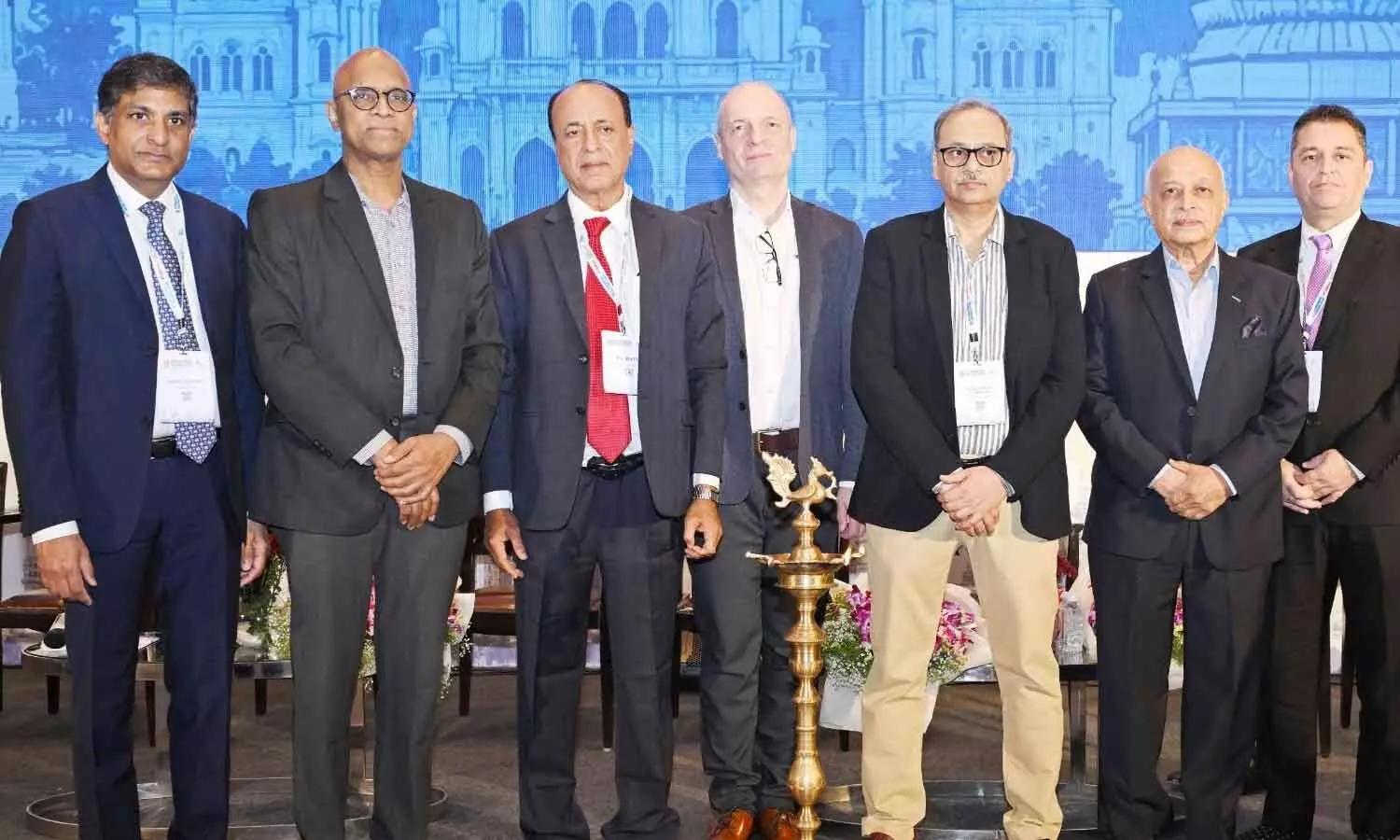
Hyderabad is playing host to prominent interventional cardiologists and structural heart specialists from India and around the world for Hyderabad Valves 2026, the fourth edition of its biennial scientific meeting. The two-day conference is being held on November 13 and 14 at The Park Hyatt, Hyderabad.
The event centres on contemporary, minimally invasive treatments for heart valve diseases. This year’s programme includes 26 live transcatheter procedures from leading medical centres in India and abroad. It also features specialist lectures, interactive discussions and expert analysis of complex cardiac cases.
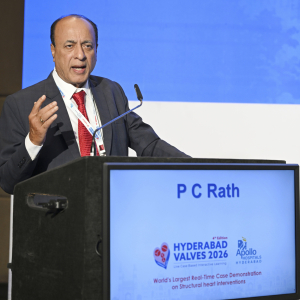
Headed by course directors Dr. P. C. Rath and Dr. Manoj K. Agarwala of Apollo Hospitals, Jubilee Hills, the meeting seeks to bring global clinical knowledge closer to Indian cardiac specialists.
In addition, the conference offers doctors a chance to observe advanced procedures, understand treatment decisions and discuss techniques that can enhance structural heart care.
What Exactly Is Hyderabad Valves 2026?
Hyderabad Valves is a scientific conference held every two years, focused on transcatheter valve therapy and structural heart interventions. Since it began in 2019, the meeting has grown into a key platform for cardiologists, cardiac teams and medical professionals with an interest in advanced catheter-based heart treatments.
The fourth edition gathers specialists who carry out, teach and study modern heart valve procedures. Its main emphasis is hands-on learning through live case transmissions and discussions.
Rather than following a traditional medical conference format built largely on presentations, Hyderabad Valves lets delegates watch procedures as they unfold. Experts are able to walk through each stage, talk over clinical decisions and share their experience with difficult cases.
Who is at the helm of the conference?
The conference is headed by:
- P. C. Rath – Senior Interventional Cardiologist at Apollo Hospitals, Jubilee Hills.
- Manoj K. Agarwala – Senior Cardiologist at Apollo Hospitals, Jubilee Hills.
Specialists from abroad on the faculty include Dr. Ramesh Daggubati from the USA, Dr. Vijay S. Iyer from the USA, and Dr. Peter Andreka from Hungary. Experts from India are also taking part in the live sessions and academic discussions.

26 Live Heart Valve Procedures Set to Be Showcased
A major highlight of Hyderabad Valves 2026 is its programme featuring 26 live transcatheter cases. These demonstrations link specialists in Hyderabad with leading cardiac centres across India and other countries.
The sessions address a range of advanced procedures used to treat aortic, mitral and tricuspid valve conditions.
1. Transcatheter Aortic Valve Replacement (TAVR/TAVI)
Transcatheter Aortic Valve Replacement (TAVR), also known as Transcatheter Aortic Valve Implantation (TAVI), is a minimally invasive procedure for treating aortic valve stenosis.
Aortic stenosis develops when the aortic valve narrows, which limits blood flow from the heart to the rest of the body.
In TAVR, doctors steer a replacement valve through a catheter, which is typically inserted via an artery. The new valve is then placed inside the diseased valve.
Hyderabad Valves 2026 includes live TAVR cases involving various valve platforms. These sessions give specialists the opportunity to discuss valve selection, procedural techniques and treatment outcomes.
2. Transcatheter Mitral Valve Replacement (TMVR)
The mitral valve regulates blood flow between the left atrium and the left ventricle. When it is severely damaged or no longer functions properly, the heart may have difficulty pumping blood efficiently.
Transcatheter Mitral Valve Replacement (TMVR) is a catheter-based method of replacing the mitral valve in selected patients.
The conference features live TMVR demonstrations as well as discussions of complex cases. Specialists will review procedural planning, valve positioning, and techniques for handling potential complications.
3. Mitral and Tricuspid Edge-to-Edge Repair (TEER)
Transcatheter Edge-to-Edge Repair (TEER) is a minimally invasive procedure used to treat selected cases of leakage in the mitral or tricuspid valve.
In the course of the procedure, doctors employ a catheter-based device to draw parts of the valve leaflets closer to one another. This assists in lowering leakage and enhancing valve function.
Hyderabad Valves 2026 features discussions on current mitral and tricuspid TEER approaches, offering specialists a chance to compare techniques and clinical experiences.
4. Advanced Techniques: LAMPOON and BASILICA
The conference also brings attention to specialised techniques employed in complex structural heart interventions.
- LAMPOON: This technique entails deliberately lacerating the anterior mitral valve leaflet to lower the risk of left ventricular outflow tract obstruction during certain TMVR procedures.
- BASILICA: This technique entails deliberately lacerating a bioprosthetic valve leaflet to help shield the coronary arteries from obstruction during selected valve-in-valve or transcatheter procedures.
Such techniques call for detailed imaging, meticulous planning and specialised clinical expertise. Including them in the programme allows delegates to see how specialists tackle challenging cases.
Additional Notable Scientific Highlights from Hyderabad Valves 2026
In addition to the primary valve replacement and repair procedures, the conference addresses several other significant areas of structural heart intervention.
Main topics include:
- Valve-in-Valve Procedures: Treatment choices for certain patients whose previously implanted biological valves have deteriorated.
- Bioprosthetic Valve Fracture: A method used in some valve-in-valve procedures to enhance the expansion of a replacement valve.
- Left Atrial Appendage Closure: A catheter-based technique that may help lower stroke risk in certain patients with atrial fibrillation.
- Alternative Vascular Access: A discussion of trans-axillary, transcaval and carotid access routes when the standard femoral approach is not suitable.
- Complex Case Management: Expert discussions on procedural planning, complications and treatment decisions.
These sessions are intended to give cardiologists a wider understanding of the evolving techniques used in structural heart disease management.
What Makes Global Expertise So Crucial for Cardiac Care in India?
Heart valve treatment is advancing at a fast pace. Catheter-based procedures are opening up more treatment options for certain patients who might not be good candidates for traditional open-heart surgery.
Yet, carrying out these procedures demands specialised training, advanced imaging, suitable equipment and well-coordinated clinical teams.
International conferences like Hyderabad Valves 2026 help close knowledge gaps by uniting experienced specialists. Doctors get to observe various approaches, discuss difficult cases and gain from international clinical experience.
Promoting Cooperation Between Cardiologists and Cardiac Surgeons
At the conference, Dr. P. C. Rath pointed out the expanding potential of structural heart interventions. He further stressed how important it is for interventional cardiologists and cardiothoracic surgeons to collaborate.
Instead of competing, the two specialities can pool their expertise to design appropriate treatments for patients. This multidisciplinary approach matters especially in complex cases, where treatment choices need input from multiple specialists.
The conference also underscores how teamwork helps improve procedural planning, patient selection and long-term treatment outcomes.
Hyderabad Valves 2026 Spotlights Minimally Invasive Heart Treatments
Minimally invasive heart valve procedures rely on catheters and specialised devices rather than conventional open surgical methods. For patients who are appropriately selected, these techniques can offer significant benefits, such as smaller access sites and potentially shorter recovery times.
Nevertheless, not all patients are suitable candidates for a catheter-based procedure. Treatment selection depends on the patient’s condition, valve anatomy, overall health and evaluation by a specialist heart team.
Why Detecting Heart Valve Disease Early Is Important
Heart valve diseases may develop slowly over time. Some individuals might not notice the early symptoms or could confuse them with the usual signs of ageing.
Frequent warning signs may include:
- Ongoing breathlessness, particularly when exercising.
- Uncommon fatigue or a lower ability to exercise.
- Light-headedness or fainting spells.
- Discomfort in the chest.
- Swelling in the legs or ankles.
These symptoms can be caused by a number of different conditions. So, anyone who experiences them should get a medical assessment instead of assuming they have a valve problem.
When clinically recommended, an echocardiogram can help doctors evaluate the structure and function of the heart valves. Diagnosing the condition early can help specialists identify it and talk through suitable treatment options.
Note: This information is intended for general awareness. Any treatment decisions must be made by qualified medical professionals following an individual assessment.
Apollo Hospitals' Contribution to Hyderabad Valves 2026
Apollo Hospitals, Jubilee Hills, is taking on a significant role in hosting the conference and backing its academic programme. Six live cases are being broadcast from the hospital, together with demonstrations from other prominent centres worldwide.
Dr. Sangeetha Reddy, Joint Managing Director of Apollo Hospitals Group, virtually inaugurated the event.
In her address, she stressed the rising significance of collaboration between cardiologists and cardiothoracic surgeons. She also pointed out how hybrid catheterisation laboratories and operating theatres enable specialists to collaborate during complex cardiac procedures.
This collaborative approach advances the wider aim of improving access to advanced cardiac treatments through shared expertise and clinical innovation.
What Does Hyderabad Valves 2026 Signify for the Future of Cardiac Care?
Hyderabad Valves 2026 offers a significant chance for Indian and international specialists to share knowledge on advanced heart valve treatments.
Its 26 live procedures provide hands-on learning across a broad spectrum of structural heart interventions. In addition, discussions on TAVR, TMVR, TEER, LAMPOON and BASILICA underscore how quickly this field is advancing.
The conference also underscores the value of training, early diagnosis and multidisciplinary collaboration.
As more specialists gain experience with advanced catheter-based procedures, India could enhance its capacity to offer suitable patients modern treatment options.
All in all, Hyderabad Valves 2026 is more than just a scientific gathering. It serves as a platform for sharing global expertise, advancing clinical knowledge and supporting the future of structural heart care in India.
- Hyderabad Valves 2026 to Showcase 26 Live Heart Valve Procedures and Global Expertise - November 14, 2026
- Wakefit posts record Rs 452 crore revenue in Q2, but profit stays flat at Rs 15.9 crore - November 13, 2026
- Microsoft’s massive outage enters day two, takes ChatGPT and Claude connectors down with it - November 13, 2026