Bhavish Aggarwal Stake Sale at Ola Electric: What It Means for Investors and the Company’s Future
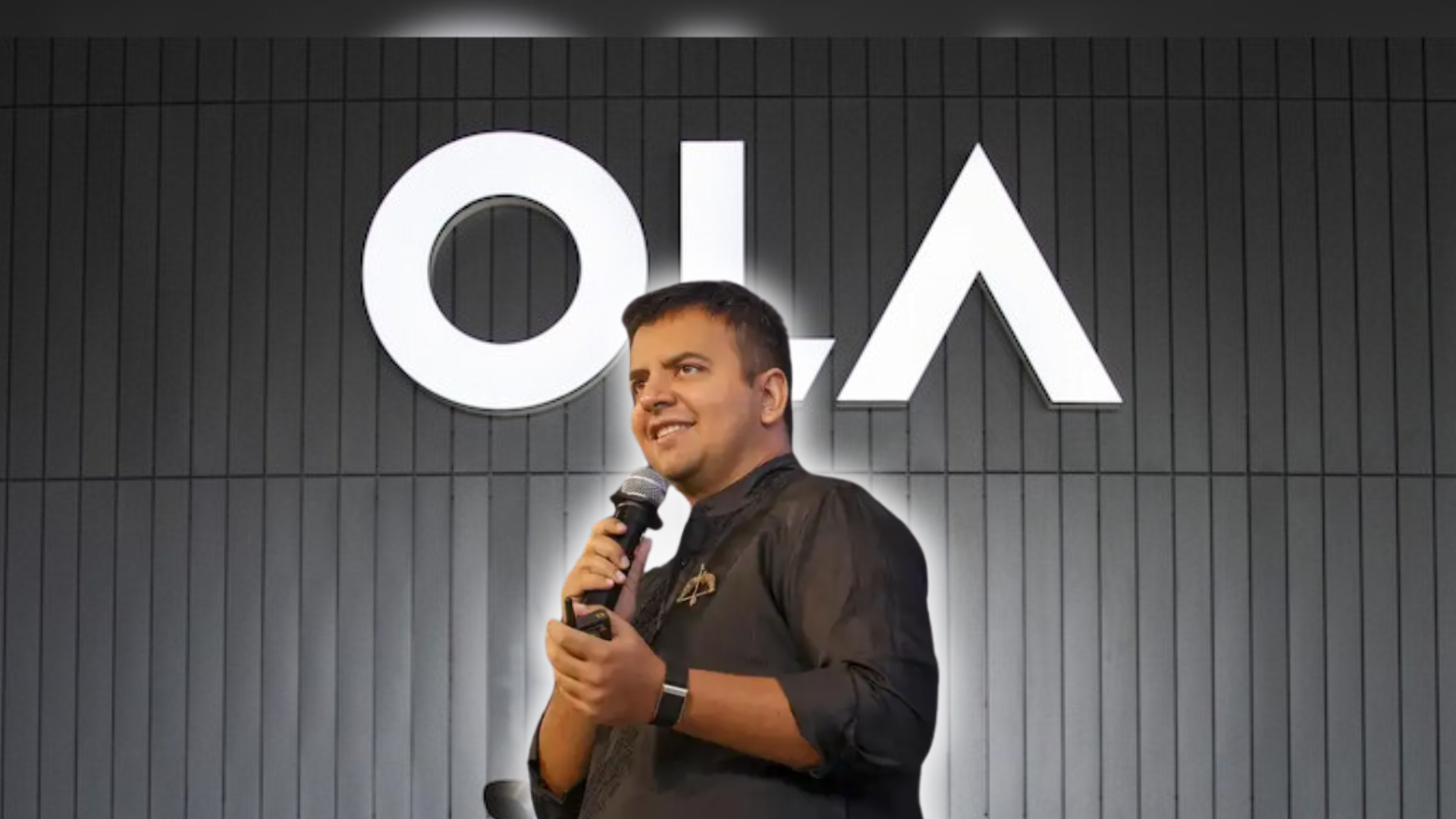
Bhavish Aggarwal Stake Sale at Ola Electric What It Means for Investors and the Company’s Future

Three points you will get to know in this article:

1. Bhavish Aggarwal sold 2% of his Ola Electric stake for Rs 92 crores.

2. The stake sale reduced his holding marginally to about 29.4%.

3. Ola Electric is facing operational and financial pressure, including falling EV market share.

Overview of the Ola Electric Stake Sale

We observe that Bhavish Aggarwal’s decision to sell 2% of his holding in Ola Electric is a strategic financial move rather than a signal of reduced commitment. The transaction, valued at nearly Rs 92 crore, was executed through a bulk deal mechanism, ensuring transparency and regulatory compliance. Importantly, the proceeds have been directed toward eliminating promoter-level debt, a step that materially alters the company’s risk profile.

Promoter Pledge Elimination Strengthens Governance

We consider the complete removal of promoter pledges a structural positive for Ola Electric. Prior to the sale, pledged shares accounted for 13.3% of Aggarwal’s holding, a factor that often weighs on institutional investor sentiment. By fully repaying the Rs 260 crore loan and releasing all pledged shares, Ola Electric removes a persistent overhang that can trigger forced selling during market volatility.

This move aligns the company with best-in-class corporate governance standards, particularly relevant for a listed new-age technology and electric mobility firm.

Revised Shareholding Structure After the Transaction

We note that Aggarwal’s shareholding has only marginally declined from 30.02% to about 29.4%, ensuring continued promoter control and strategic direction. The founder remains the largest shareholder, reinforcing stability at the leadership level while simultaneously improving the balance sheet optics.

Ola Electric’s Market Performance and Competitive Position

We acknowledge that the stake sale occurs during a challenging operational phase. Ola Electric’s electric two-wheeler market share dropped to 7.19% in November, pushing the company to fourth place nationally. This represents a dramatic shift from its dominant position a year earlier.

Monthly registrations declined sharply to 8,254 units, reflecting intensified competition, cautious consumer sentiment, and execution challenges. However, we also recognise that market share volatility is common in rapidly evolving EV markets, especially during periods of product transitions and regulatory changes.

Financial Results Highlight Near-Term Pressure

From a financial perspective, we observe that Ola Electric’s Q2 FY26 revenue declined 46% year-on-year to Rs 660 crore, while losses expanded to Rs 418 crore. These figures underline the capital-intensive nature of scaling EV manufacturing, battery technology, and charging infrastructure.

Despite near-term losses, we view these investments as foundational to long-term competitiveness, particularly as India accelerates EV adoption through policy support and infrastructure expansion.

Stock Performance and Valuation Context

We cannot ignore the sharp correction in Ola Electric’s share price. The stock has declined nearly 70% over the past 12 months, falling from a peak of Rs 100.40 to around Rs 34. At current levels, the company is valued at approximately Rs 15,085 crore ($1.6 billion).

While the correction reflects earnings pressure and market-wide risk aversion, we believe the removal of promoter pledges reduces downside risk and may support valuation stability going forward.

Strategic Implications for Long-Term Investors

We interpret Aggarwal’s stake sale as a balance-sheet-driven decision, not an exit. By unwinding personal leverage, the founder aligns his interests more closely with minority shareholders. This approach reduces financial risk at the promoter level and enhances transparency.

For long-term investors, we see three key takeaways:

  • Zero promoter pledge improves investor confidence
  • Founder control remains intact


Financial discipline is being prioritised amid volatility

Outlook for Ola Electric

We believe Ola Electric stands at an inflection point. Short-term headwinds in sales and profitability are evident, yet the company continues to operate in one of the fastest-growing EV markets globally. Execution on product quality, service reliability, and cost optimisation will determine whether Ola Electric can reclaim market leadership.

The promoter’s decisive action to clean up leverage suggests a focus on sustainability rather than short-term optics. As the EV ecosystem matures, such governance-led moves may prove critical in restoring market confidence.

Start typing and press Enter to search

Shopping Cart