Ola’s achievement carries major implications for India’s EV future.
1. Pioneering local manufacturing
Most Indian EV makers still rely heavily on imported battery cells from China, South Korea, or Japan. Ola’s move toward self-produced cells reduces this dependence, supporting India’s long-term vision of “Make in India” and “Atmanirbhar Bharat.” Vertical integration also means tighter control over quality, cost, and intellectual property.
2. Technological and performance leap
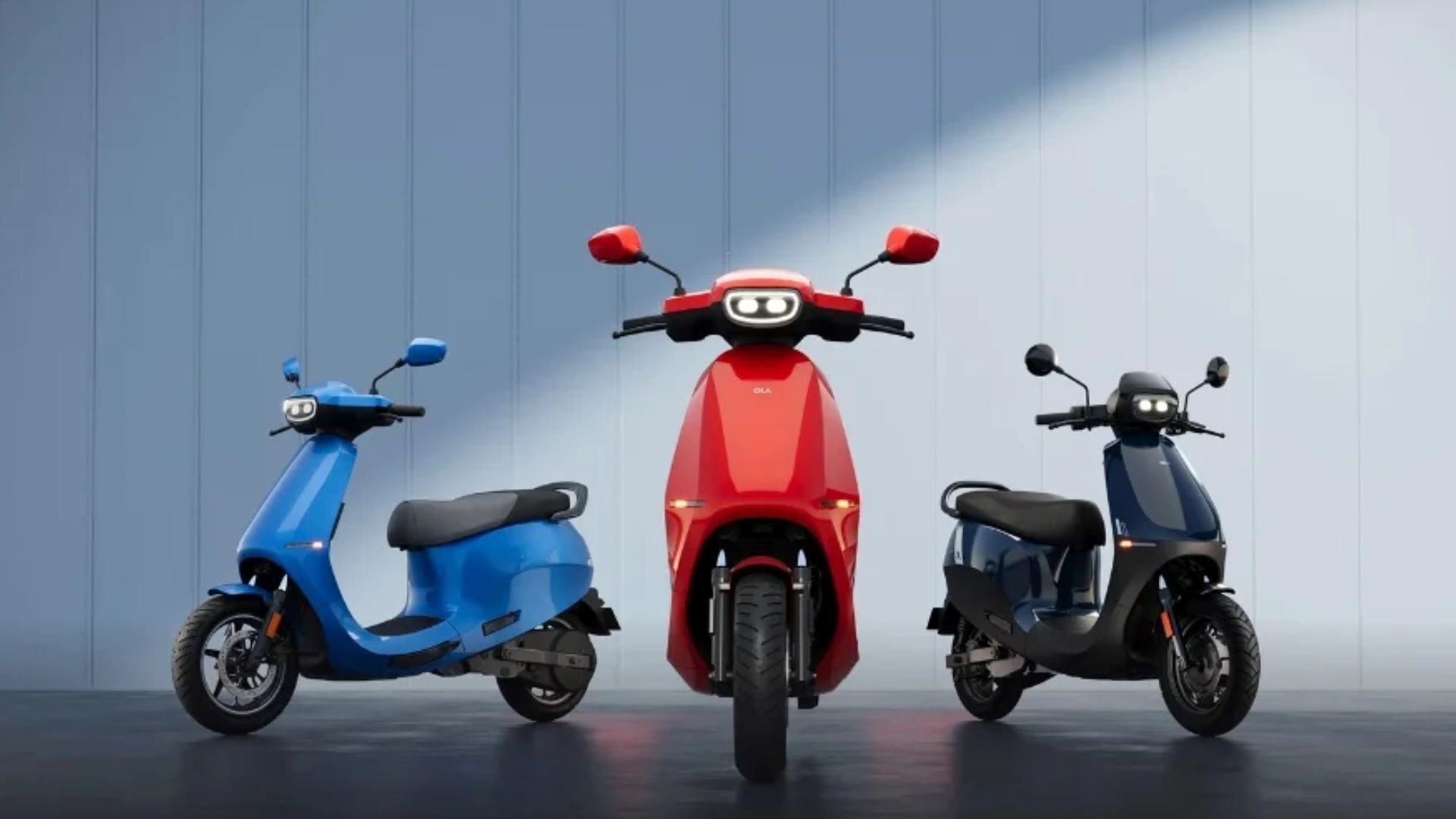
The company claims that the 4680 Bharat Cell achieves an impressive energy density of about 275 Wh/kg, significantly higher than earlier 2170-type cells. Greater energy density translates to better range, faster acceleration, and more efficient power delivery. The certified 5.2 kWh pack will first appear in the upcoming Ola S1 Pro + scooter, potentially setting new benchmarks for Indian two-wheelers.
3. Strengthening India’s EV supply chain
Ola has channelled heavy investments into its battery subsidiary, Ola Cell Technologies (OCT), recently approving an additional ₹199 crore to accelerate manufacturing. This deepens the company’s footprint in the EV value chain while positioning India as a credible player in global battery innovation.