Australian Startup Develops New Hormone Sensor to Streamline IVF Treatment and Improve Fertility Care
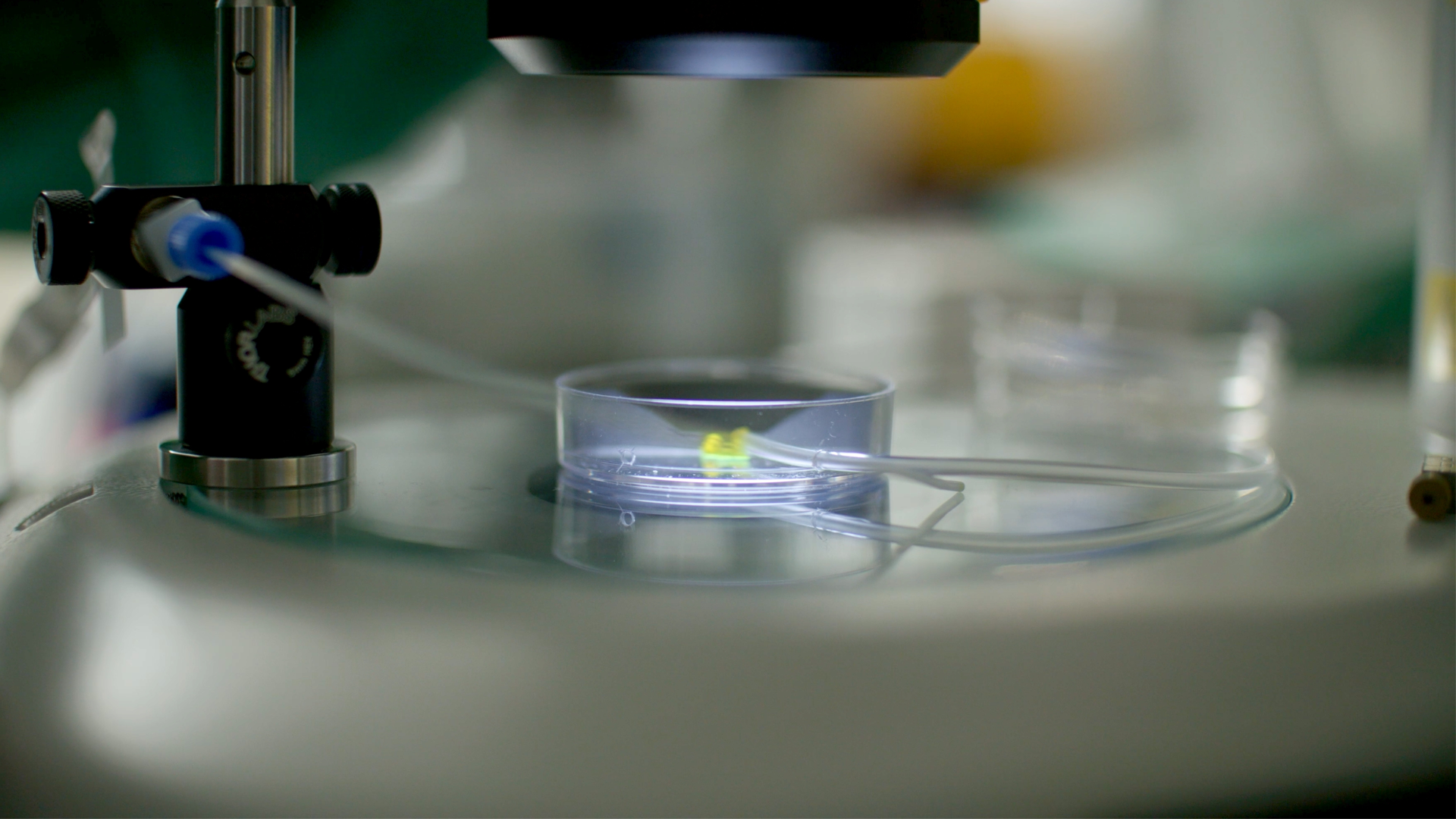
Australian Startup Develops New Hormone Sensor to Streamline IVF Treatment and Improve Fertility Care

Three points you will get to know in this article:

1. How a new wearable hormone biosensor developed in Australia could transform IVF monitoring and improve fertility treatment accuracy.

2. Why traditional blood-based hormone testing in IVF has limitations and how a skin-based sensor offers a less invasive alternative.

3. How the upcoming human trials and planned commercialization of the technology may reduce IVF costs and patient discomfort.

Melbourne Startup Introduces Innovative Wearable Biosensor to Improve IVF Hormone Monitoring and Fertility Care

The landscape of fertility treatment is rapidly evolving as innovative technologies reshape the way clinicians monitor reproductive health. In Australia, a breakthrough development is gaining attention within the in vitro fertilization (IVF) industry. A Melbourne-based startup has created a cutting-edge wearable hormone sensor designed to streamline the IVF process, reduce treatment costs, and minimize the physical burden on patients.

We explore how this next-generation biosensor technology works, the collaboration behind its development, and why it may transform the future of fertility treatment monitoring.

How Hormone Monitoring Shapes IVF Success

Successful IVF treatment depends heavily on precise timing. Clinicians must carefully track fluctuations in key reproductive hormones, particularly progesterone, estradiol, and luteinising hormone, to determine the optimal moment for egg collection or embryo transfer.

These hormonal shifts indicate when the body is biologically prepared for fertilization and implantation. If the procedure occurs too early or too late, the chances of successful conception may decrease significantly. Therefore, continuous and accurate hormone monitoring remains one of the most critical components of the assisted reproductive technology (ART) process.

Traditional monitoring methods rely on frequent blood tests taken at laboratories. Patients undergoing IVF may need to visit clinics multiple times during specific stages of their menstrual cycle to measure hormone levels. While effective, this approach often introduces logistical challenges and physical discomfort for patients.

Limitations of Traditional Blood-Based Hormone Testing

Current hormone monitoring during IVF is largely dependent on repeated blood sampling, a process that can be inconvenient and stressful for many patients. Blood draws must often occur at specific intervals to track hormone fluctuations accurately.

However, the system has several limitations. Laboratories may not operate on weekends or public holidays, forcing clinicians to adjust testing schedules. Even slight deviations from the ideal monitoring window can influence treatment planning and clinical decision-making.

Additionally, frequent blood tests can create physical discomfort and emotional strain for patients who are already navigating the demanding journey of fertility treatment. The need for repeated clinic visits also increases the overall cost and complexity of IVF care.

These challenges highlight the growing need for non-invasive, real-time hormone monitoring technologies that provide continuous data without requiring laboratory visits.

Development of a Wearable Hormone Biosensor

A promising solution is emerging from a new reproductive health startup called Symex Labs, founded by Melbourne innovators Edgar Charry and Muhammad Umer. Motivated by personal experiences with infertility within their families, the founders set out to develop technology that could simplify the IVF process.

Their solution is a wearable biosensor patch capable of detecting reproductive hormone levels directly through the skin. Instead of relying on blood samples, the device measures hormone concentrations present in interstitial fluid, the liquid that surrounds the body’s cells beneath the skin.

This breakthrough method allows clinicians to monitor key fertility hormones in a less invasive way while maintaining the accuracy required for clinical decision-making.

Upcoming Human Trials for the IVF Biosensor

The next milestone in the development process is a first-in-human pilot study, expected to begin within the next 12 months. These early clinical trials will evaluate the device’s safety, reliability, and performance when used by patients undergoing fertility treatment.

Researchers will analyze how accurately the wearable sensor tracks hormone fluctuations compared with traditional blood testing methods. The study will also assess patient comfort, usability, and integration into clinical workflows.

Successful pilot results would represent a major step toward regulatory approval and broader clinical adoption.

Start typing and press Enter to search

Shopping Cart