‘Ugly’ ads and no clinical trials: Shark Tank pitchers get rejected despite Rs 51 cr revenue, Kunal Bahl says ‘pehle vishvas banao’
‘Ugly’ ads and no clinical trials Shark Tank pitchers get rejected despite Rs 51 cr revenue, Kunal Bahl says ‘pehle vishvas banao’

Three points you will get to know in this article:

1. Kalam Labs develops balloon-assisted, near-space aerial vehicles that operate in the stratosphere to provide low-cost, reusable alternatives to satellites for defense and weather monitoring.
2. With over 60 successful launches and existing deployments for the Indian Army and IMD, the company has a ₹1 crore order in progress and potential defense contracts estimated at ₹150 crore.
3. Despite being impressed by the founders’ technical expertise and the “nation-building” mission, the Sharks did not invest due to the ₹300 crore valuation and the long capital-intensive cycles typical of aerospace R&D.

AYUVYA Stuns Shark Tank India With ₹51.5 Crore Revenue Claim but Faces Trust Concerns

AYUVYA shocked everyone at Shark Tank India by claiming to have made Rs. 51.5 crore in revenue from credit cards in just three years. However, because of a marketing-driven paradigm, a lack of clinical trials and certification, and problems with trust.

Shark Tank India 5: The sharks quickly pointed out that the entrepreneurs were selling ayurvedic medications without any clinical trials, despite the fact that their numbers appeared promising.

About Ayuvya

AYUVYA Logo

Ayuvya is a return to balance in a world that’s forgotten how to pause. Born from the roots of Indian ayurvedic & herbal wisdom and refined by modern science, Ayuvya creates potent, honest, and effective formulations that fit seamlessly into your life.


Checkout the company website here: Ayuvya

Shark Tank India 5: Ayuvya & ImFresh Impress the Sharks With a Strong Financial Opening
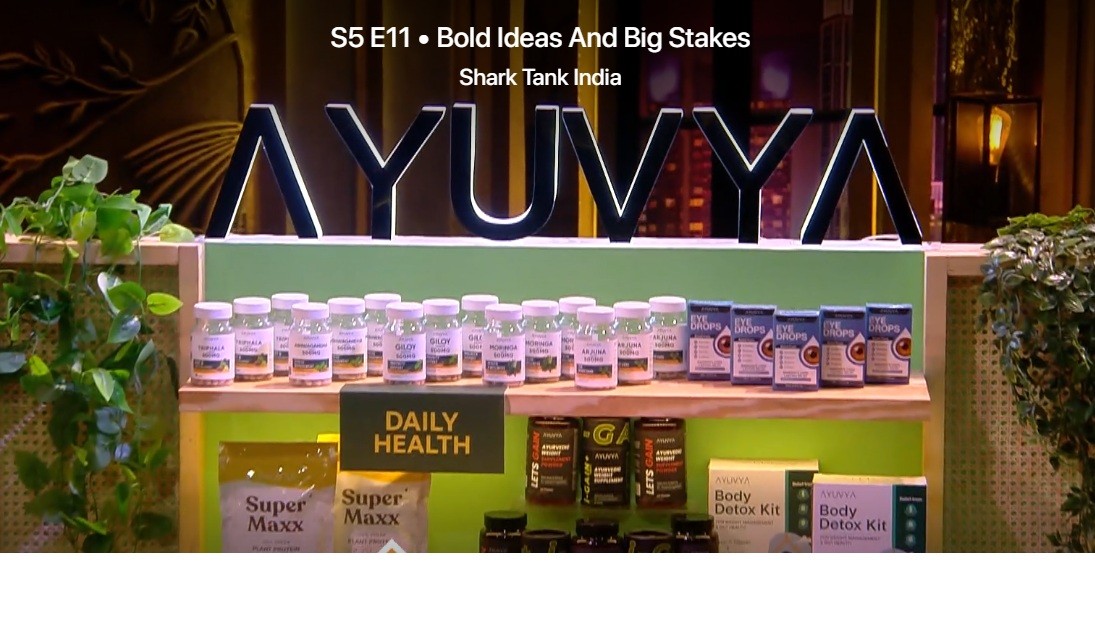
Shark India 5 Ayuvya & ImFresh Impress the Sharks With a Strong Financial Opening
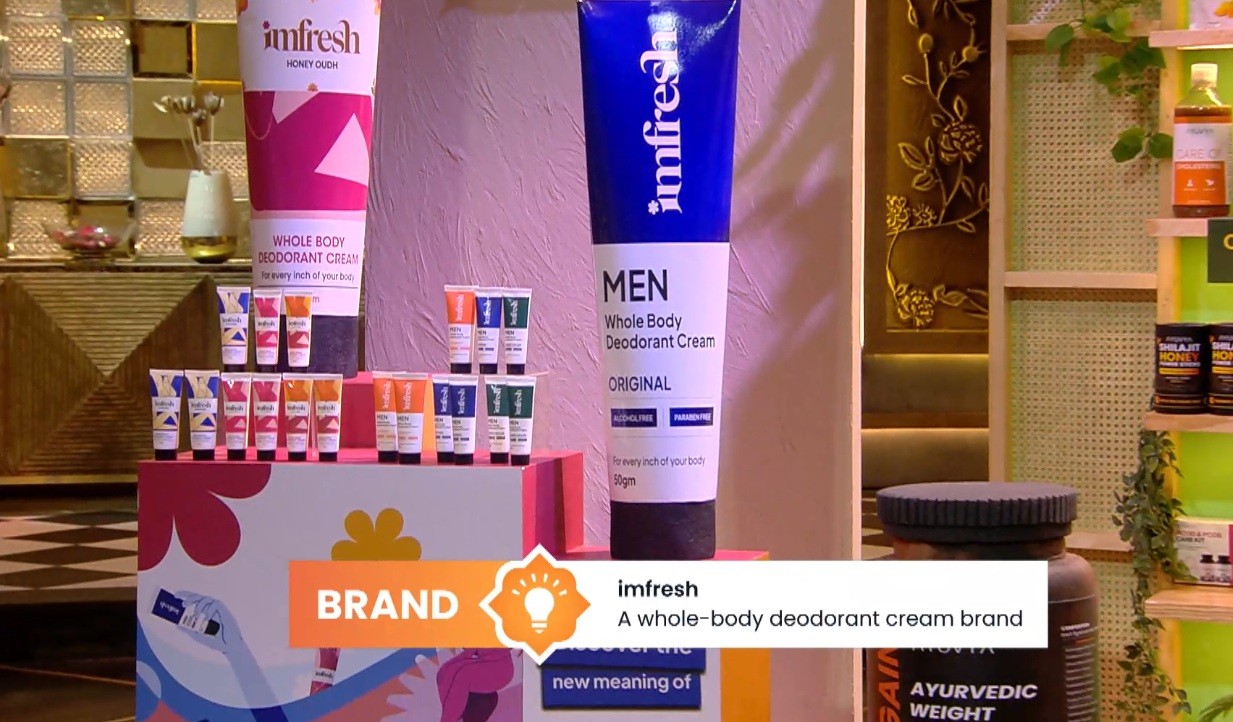
Imfresh Products

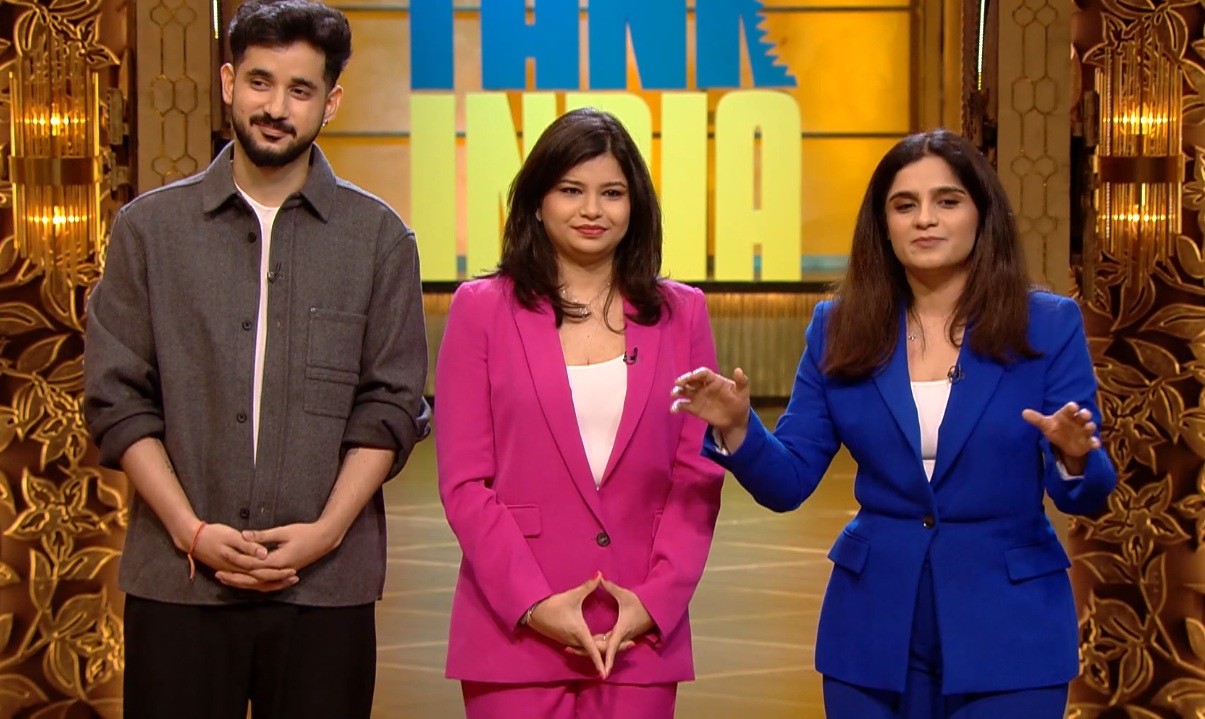
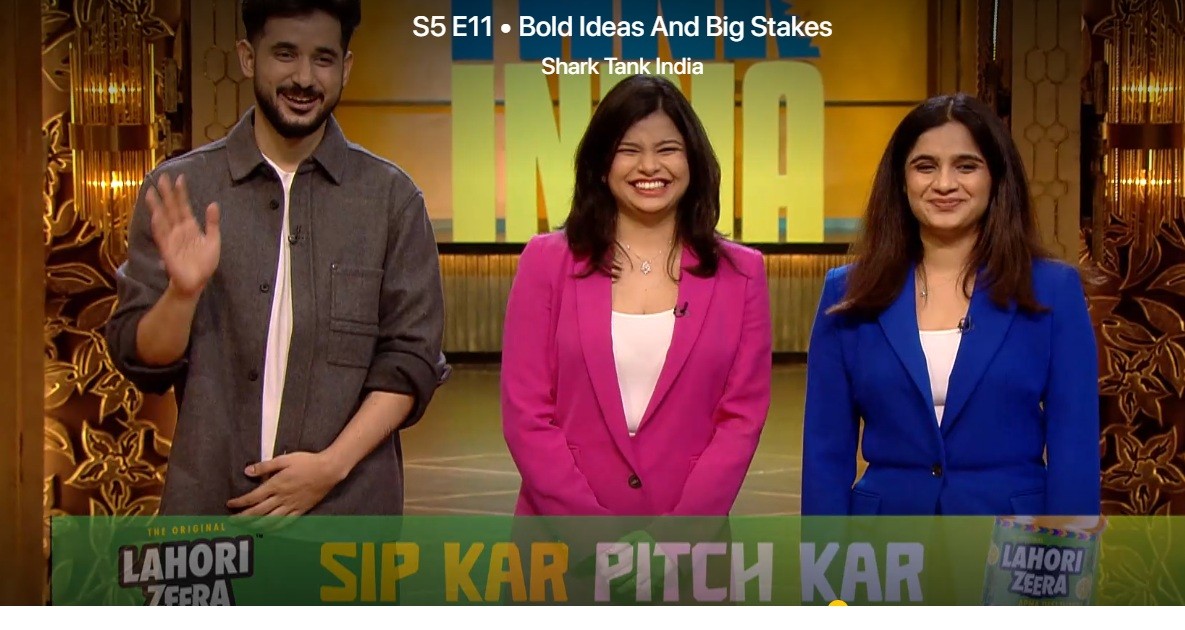
Shark Tank India’s most recent season is going strong and has provided viewers with some unforgettable moments. Three entrepreneurs, Tanishk Pandey, Astha Jain, and Pawanjot Kaur, presented two of their products, Ayuvya and ImFresh, to the “sharks” in the eleventh episode of Shark Tank India 5. Aman Gupta, Namita Thapar, Vineeta Singh, Kunal Bahl, and Ritesh Agarwal comprised the panel. The young businessman pleased the “sharks” with their brand’s financial success, and the pitch got off to a good start.

Ayuvya and ImFresh Founders Seek ₹1 Crore for 0.5% Equity at ₹200 Crore Valuation

As Astha told the tale of how they all first met, the three introduced themselves. She informed the judges that she had met Pawanjot while attending Punjab Engineering College and that the two had always wanted to start their own business. Astha and Tanishk, the guy in charge of the company’s creative department, were married shortly after Tanishk entered the picture. The trio disclosed that they are seeking Rs 1 crore for 0.5% of their businesses, ImFresh and Ayuvya. The combined value of both was Rs 200 crore.

From Trial and Error to a Breakthrough: How the Founders Built Their First Product

From 2019 to 2021, Aastha claimed that she was always experimenting with Pawanjot. He then got to know Tanishq and started a children’s brain supplement. Astrology was the most significant of these. According to the founders, it is only accessible for three months out of the year. Large corporations used to purchase astrology year-round, but they lacked the funds to do so.

70% of the income comes from weight gain products

Even if that didn’t work, customer input changed the course of events. Many of the women who responded commented, “You make something to increase our husband’s weight.” At the moment, weight gain alone accounts for 70% of the company’s revenue. Tier-3 and tier-4 cities account for about 80% of the company’s sales. The majority of cells originate from met

ImFresh Emerges as a Standalone Brand After AYUSH Setback

The founders started working on imfresh, a cream-based fragrance product, in late 2022. Even after four months of research, the agency rejected the inventors’ request to launch it under AYUSH. But the entrepreneurs launched it under a separate brand because the products were so good. Approximately 4-5% of the overall sales revenue is currently generated by the brand. Currently, the company’s marketing budget is around 38%. According to the founders, they produce over 40 video advertisements each day.

Financial Highlights

  • FY 2022-23
  • FY 2023-24
  • FY 2024-25
  • FY 2025-26 (Estimated)

In FY 2022-23, the company made a revenue of Rs 8 crore, with a loss of Rs 3 lakh. At the same time, in the next year 2023-24, he made a revenue of Rs 26.5 crore, with a profit of Rs 75 lakh. At the same time, in the next year 2024-25, the company earned a revenue of Rs 51.5 crore, with a profit of Rs 72 lakh. At the same time, this year’s revenue has been Rs 35.80 crore, which will be up to 70 crore in the whole year. It is expected that this year there will be a profit of Rs 1.25 crore. The gross margin of the company is around 75 per cent. About 60 percent of sales come from your own website and about 40 percent of sales come from the marketplace.

Ayuvya’s ₹51.5 Crore Revenue Impresses the Sharks—but Growth and Retention Raise Red Flags

Even though there are several Ayurvedic brands available, all of the “sharks” were drawn to Ayuvya’s FY 24–25 revenue. According to Astha, the brand made more than Rs 51.5 crore last year and is expected to reach Rs 70 crore by the end of FY 25–26. Everyone’s attention was undoubtedly drawn to the figures, but the “sharks” quickly aroused some concerns. The company’s growth rate was slowing down compared to prior years, and Kunal was the first to notice this. This raised other queries, such as the customer retention rate, which the three business owners were unsure of.

Aman also expressed dissatisfaction with the quality of the company’s social media video ads. Tanishk remarked that this choice was made in light of the current social media trend of “ugly ads.” These low-budget initiatives are meant to feel less formulaic and more genuine. When the “sharks” discovered that none of the goods the young business owners were offering had undergone clinical studies, the other shoe fell.

The Shark tank pitch

The Shark tank pitch

The judges didn’t appear to be persuaded by Pawanjot’s claim that these goods were produced in accordance with texts and customs that date back thousands of years. Kunal withdrew from the agreement, stating that although they had accomplished something noteworthy, they still needed to demonstrate improved customer service. “Pehle illaj nahi vishwas banao (Create trust before you manufacture cures),” he declared. Ritesh brought up the same concern, and Aman informed the business owners that they still hadn’t developed into a “brand” despite their worth. The three left without making a deal.

Start typing and press Enter to search

Shopping Cart