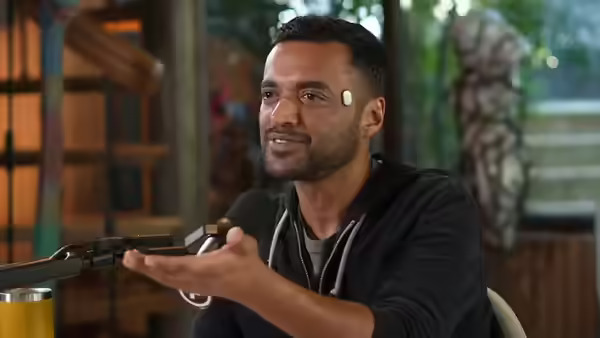
Deepinder Goyal Talks About Zomato’s ‘Karma System’ — How Platforms Tackle Scams & Abuse
Three points you will get to know in this article:
1. Zomato uses a “Karma” score based on historical behavior to resolve disputes between customers and riders.
2. The system detects fraud, such as AI-generated refund claims by users and persistent misconduct by delivery partners.
3. In 50–70% of inconclusive cases, Zomato absorbs the cost to avoid unfairly penalizing either party.
Deepinder Goyal Enlightens About Zomato’s ‘Karma System’, Zomato Tackle Scams & Abuse
Deepinder Goyal, the founder and CEO of Zomato (as well as its parent company Eternal), discussed candidly about the everyday struggle food delivery services fight against fraud, frauds, and abuse on their applications in one of the most talked-about episodes of the Figuring Out with Raj Shamani podcast. A forthright explanation of Zomato’s internal “karma system,” a reputation-based process the firm uses to settle disputes and prevent abuse by both consumers and delivery partners, was one of the more interesting aspects of the discussion.
Here’s a detailed look at what Goyal disclosed, the purpose of the karma system, its operation, and its implications for gig workers and users.
What Is the ‘Karma System’?
Fundamentally, the karma system is an internal reputation score that monitors customer and delivery partner behavior histories to assist Zomato in making better decisions in the event of complaints or disagreements.
Before taking any action, Zomato considers the historical behavior and trends of all parties involved, including customers and riders, rather than handling each complaint separately. In complicated situations where culpability isn’t always obvious, this data-driven strategy aids the business in making more nuanced judgments.
Why the Karma System Is Needed
Fraud and scams are not unique or recent problems. — Goyal disclosed that:
Customers Sometimes Try to Mislead the Platform
- Customers who allegedly put their own hair in food and then demanded refunds are among the cases.
- To make their case seem genuine and obtain reimbursements, others employ AI-generated imagery, such as adding insects, flies, or even digitally changed pictures of “smashed cakes.”
With the widespread use of image-editing software, these dishonest practices have become more prevalent, compelling Zomato to modify its methods of claim verification.
Delivery Partners Aren’t Exempt From Fraud
Goyal also emphasized delivery partners’ misconduct:
- Some people label orders as delivered even though they haven’t given the food.
- Some people misuse cash-on-delivery orders by saying they don’t have enough change and never coming back with the right amount.
Goyal claims that the business fires about 5,000 delivery partners each month, mostly for persistent fraud or misconduct rather than for infractions that happen only once.
How the Karma System Works in Practice
Zomato doesn’t merely respond to the most recent complaint when a disagreement arises, such as when a rider maintains that the delivery was OK and a consumer alleges the food was spoilt.
Here’s the process in simplified terms:
1. Look at Past Behaviour
Based on their past behavior on the platform, both the rider and the client have a karma score.
2. Compare Reputation Metrics
The algorithm might favor the rider if the consumer has a history of complaints or suspicious behavior while the rider does not.
On the other hand, if a customer has a spotless record and a rider consistently raises red flags, the customer’s reported problem might be given greater weight.
3. Covering the Costs When Undecided
Goyal admitted that there are flaws in the system. In about 50–70% of disputed cases, Zomato decides to reimburse the customer’s money without penalizing the delivery partner, thus taking on the loss because there isn’t enough proof to determine who is at fault.
When the data isn’t conclusive, this conservative approach puts justice first and safeguards partners’ and users’ reputations.
Why This Matters for Users and Gig Workers
The karma system is an advancement in the large-scale management of trust and accountability on digital platforms:
For Users
- A more impartial evaluation of consumer complaints aids in preventing the rewarding of bogus refund requests.
- Better behavior on the platform can be encouraged by realizing that patterns, not single complaints, matter.
For Delivery Partners
- It offers defense against being unfairly assessed based on a single complaint.
- A rider will only be removed from the platform if they consistently receive bad feedback.
Given the substantial monthly turnover in delivery employment, which is frequently temporary and part-time, this strategy promotes a more equal workplace.
Beyond Karma: The Broader Conversation
Goyal’s explanation also provided context for more general discussions regarding the gig economy in India, such as how food delivery services strike a balance between efficiency, security, and equity for both employees and clients. Critics have highlighted the wider pressures in this market, despite Zomato’s claims that it doesn’t encourage riders to engage in risky behaviors for extremely quick delivery.
Conclusion
Zomato’s karma system is a representation of the challenges contemporary digital marketplaces face in establishing trust, not only a technological scoring tool. No system is flawless, as Goyal noted on the podcast, but in a high-volume, high-stakes setting, data-driven reputation systems like karma help strike a balance between practical realities and justice.
Knowing how karma operates makes decisions that previously appeared unclear transparent, whether you’re a regular customer or a freelance worker. It also presents Zomato as a platform attempting to manage fairness in an era of digital scams and quick service expectations.
- Shesha Ayurveda: Bringing Kerala’s Herbal Beauty to Shark Tank India - January 31, 2026
- SPARSH BRUSH On Shark Tank India: Cattle care Brand - January 31, 2026
- From astrology to arcades: Shark Tank India pitcher hailed as ‘India’s Da Vinci’ but leaves empty-handed - January 31, 2026