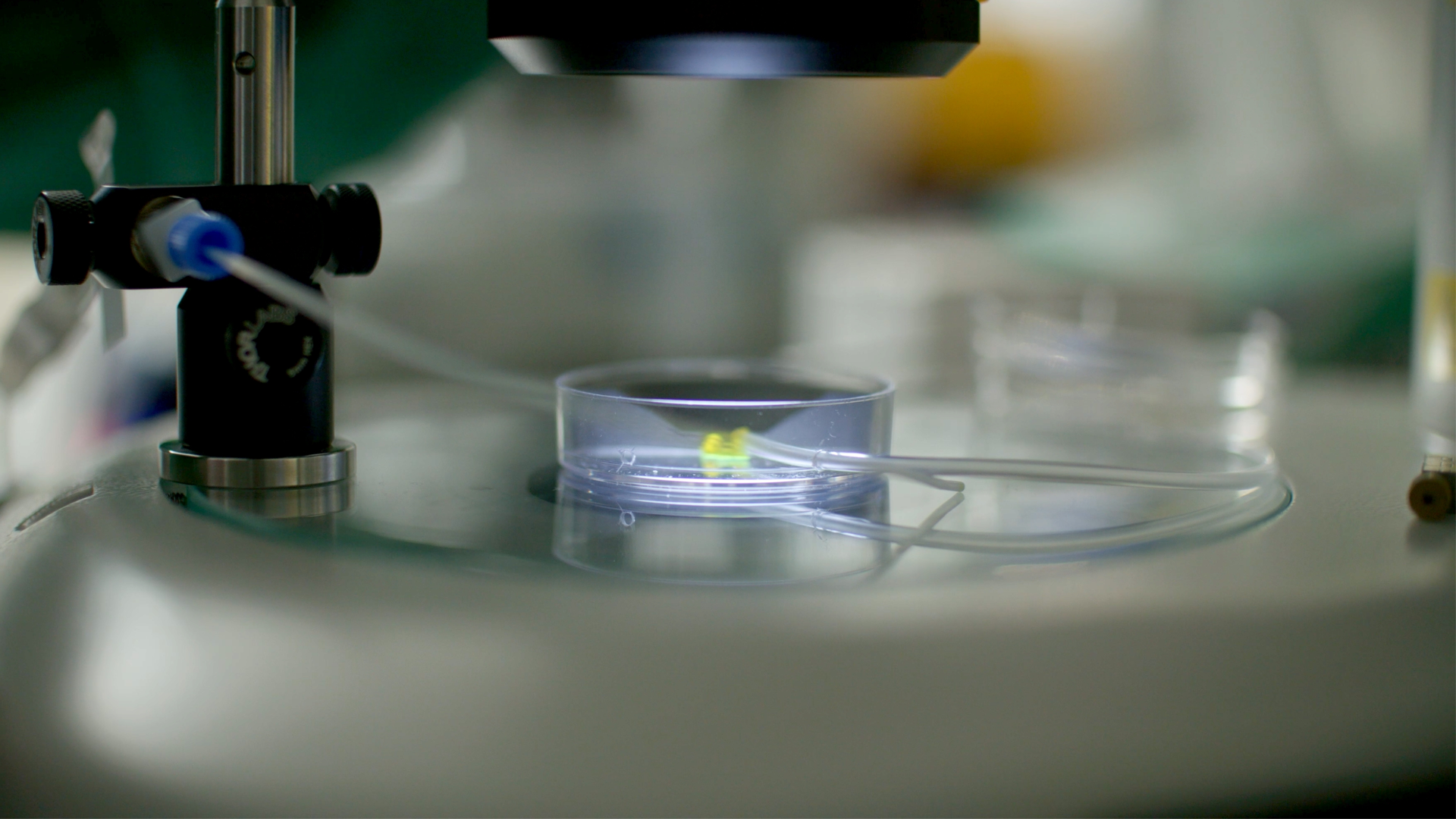
Current hormone monitoring during IVF is largely dependent on repeated blood sampling, a process that can be inconvenient and stressful for many patients. Blood draws must often occur at specific intervals to track hormone fluctuations accurately.
However, the system has several limitations. Laboratories may not operate on weekends or public holidays, forcing clinicians to adjust testing schedules. Even slight deviations from the ideal monitoring window can influence treatment planning and clinical decision-making.
Additionally, frequent blood tests can create physical discomfort and emotional strain for patients who are already navigating the demanding journey of fertility treatment. The need for repeated clinic visits also increases the overall cost and complexity of IVF care.
These challenges highlight the growing need for non-invasive, real-time hormone monitoring technologies that provide continuous data without requiring laboratory visits.