Deepinder Goyal Reveals the Life of Gig Workers at Zomato, Behind the Scenes of India’s Delivery Ecosystem
Three points you will get to know in this article:
1. Gig work is a short-term income solution with high turnover, seeing 1.5–2 lakh workers join and leave voluntarily every month.
2. Average pay rose to ₹102/hour in 2025, though the model prioritizes flexibility for extra income over traditional full-time benefits.
3. Quality & Safety: Zomato maintains service standards by firing ~5,000 workers monthly for fraud while providing basic safety nets like accidental insurance and SOS support.
Deepinder Goyal Throws Light on the Lives of Gig Workers at Zomato
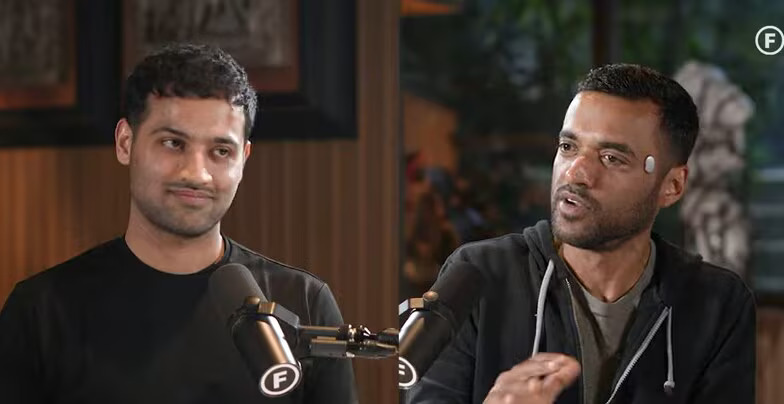
Deepinder Goyal, the founder and CEO of Zomato, recently discussed the realities of working as a gig worker on India’s biggest food delivery website in a widely shared podcast with YouTuber and businessman Raj Shamani. The discussion has sparked heated debate over everything from how riders are hired and paid to the difficulties they encounter and the mechanisms Zomato employs to oversee a vast network of delivery partners.
Let’s unpack the key takeaways and what they reveal about gig work in India’s booming food delivery economy.
Gig Work at Zomato Isn’t a Career, It’s Mostly Temporary
Goyal claims that delivery work at Zomato is mostly temporary, with most riders joining for a brief time—often when they need quick money—and then leaving.
He shared that:
- In addition to those who are fired, 1.5–2 lakh gig workers voluntarily quit Zomato each month.
- A comparable number of new partners are brought on board each month, demonstrating the workforce’s fluidity and cyclical nature.
Gig delivery jobs are viewed as flexible, short-term income options rather than solid work, which is reflected in the high churn rate.
High Attrition Reflects Both Voluntary Exits and Terminations
According to Goyal, Zomato fires about 5,000 gig workers each month for things like fraud.
These include situations in which delivery partners may:
- Mark an order as delivered when it wasn’t
- Fail to provide change for cash-on-delivery orders
- Commit other forms of misuse detected by the platform’s systems.
Even though the figure seems high given Zomato’s size (hundreds of thousands of active riders), Goyal presented it as a necessary component of upholding service quality.
Earnings: Not Glamorous, But Not Non-Existent Either
Pay is one of the most controversial parts of gig employment. Goyal claims that wages have increased over time, despite criticism that delivery professions are exploitative.
According to his recent defense:
- The average earnings per hour in 2025 were ₹102, up from ₹92 in 2024 — a nearly 11% increase.
- Riders keep 100% of tips, which are instantly transferred and uncapped.
- A theoretical full-time equivalent — working 10 hours a day for 26 days — could translate to around ₹26,500 gross per month (about ₹21,000 after typical costs).
However, Goyal maintains that gig labor was never intended to be a full-time employment with perks like a Provident Fund or a guaranteed salary; rather, it was intended to be flexible work for additional income.
Flexibility Is Real, But Has Limits
Goyal highlighted the independence gig workers enjoy as one of their distinguishing characteristics:
- No fixed shifts or locations
- Workers choose when to log in and log out
- They decide where and when to operate within a city
This flexibility, which gives riders control over their schedules and workload, is frequently cited as the main benefit of gig labor.
Support and Safety Measures, Sometimes Overlooked
Goyal also mentioned a number of Zomato’s support systems, including:
- Accidental death insurance for gig workers
- Access to pension schemes and tax filing support tailored for gig partners
- Emergency SOS services for accidents, vehicle breakdowns, or theft situations
These perks are part of Zomato’s attempt to provide some safety nets for riders, even though they are not comparable to typical employment safeguards.
“No Pressure, No Timers” Myth
Goyal stated that Zomato and Blinkit do not impose timers on employees in response to worries that riders might be unduly pressured by ultra-fast delivery claims (such as 10-minute grocery delivery).
Instead, quick deliveries are the result of:
- Smart logistics
- Strategic placement of dark stores
- Operational efficiency
Safety is not compromised for speed, and riders who fail to fulfill ultra-fast delivery standards are not subject to direct fines.
Gig Worker Strikes and Public Backlash
Gig workers have publicly protested in multiple strikes, calling for the following despite what Goyal saw as favorable wage trends and flexibility:
- Higher pay
- Better working conditions
- Social security and safety nets
However, Zomato’s operations remained mostly unaffected, indicating the size of the workforce as well as the intricate nature of labor dynamics in the gig economy.
So What Does Gig Worker Life Look Like on Zomato?
From Goyal’s perspective, it’s a high-turnover, flexible system where:
- Riders choose when and where they work
- Earnings are real but variable
- Fraud and service quality are ongoing challenges
- Support structures exist, but fall short of traditional job protections
However, detractors contend that flexibility is insufficient on its own, especially when employees deal with safety concerns, a lack of benefits, and irregular pay. The discussion on the rights of gig workers, regulation of the gig economy, and ethical employment is getting more heated.
Conclusion
Deepinder Goyal’s remarks shed light on the complex existence of a Zomato delivery partner, one that strikes a balance between opportunity and systemic difficulties, autonomy and uncertainty, and earning potential and instability. One delivery at a time, the gig economy model is changing how India operates, regardless of whether it is viewed as exploitation or empowerment.
- Shesha Ayurveda: Bringing Kerala’s Herbal Beauty to Shark Tank India - January 31, 2026
- SPARSH BRUSH On Shark Tank India: Cattle care Brand - January 31, 2026
- From astrology to arcades: Shark Tank India pitcher hailed as ‘India’s Da Vinci’ but leaves empty-handed - January 31, 2026