Andhra Pradesh Boosts Clean Energy with 1,000 EV Buses and 5,000 New Charging Stations

Andhra Pradesh Boosts Clean Energy with 1,000 EV Buses and 5,000 New Charging Stations
Three points you will get to know in this article:

1. How Andhra Pradesh plans to transform public transport with 1,000 EV buses and 5,000 charging stations.

2. The state’s major clean-energy initiatives, including solar projects and power infrastructure reforms.

3. The government’s strategies to reduce financial burdens, stabilize power supply.

A Bold Push Toward Electric Mobility in Andhra Pradesh

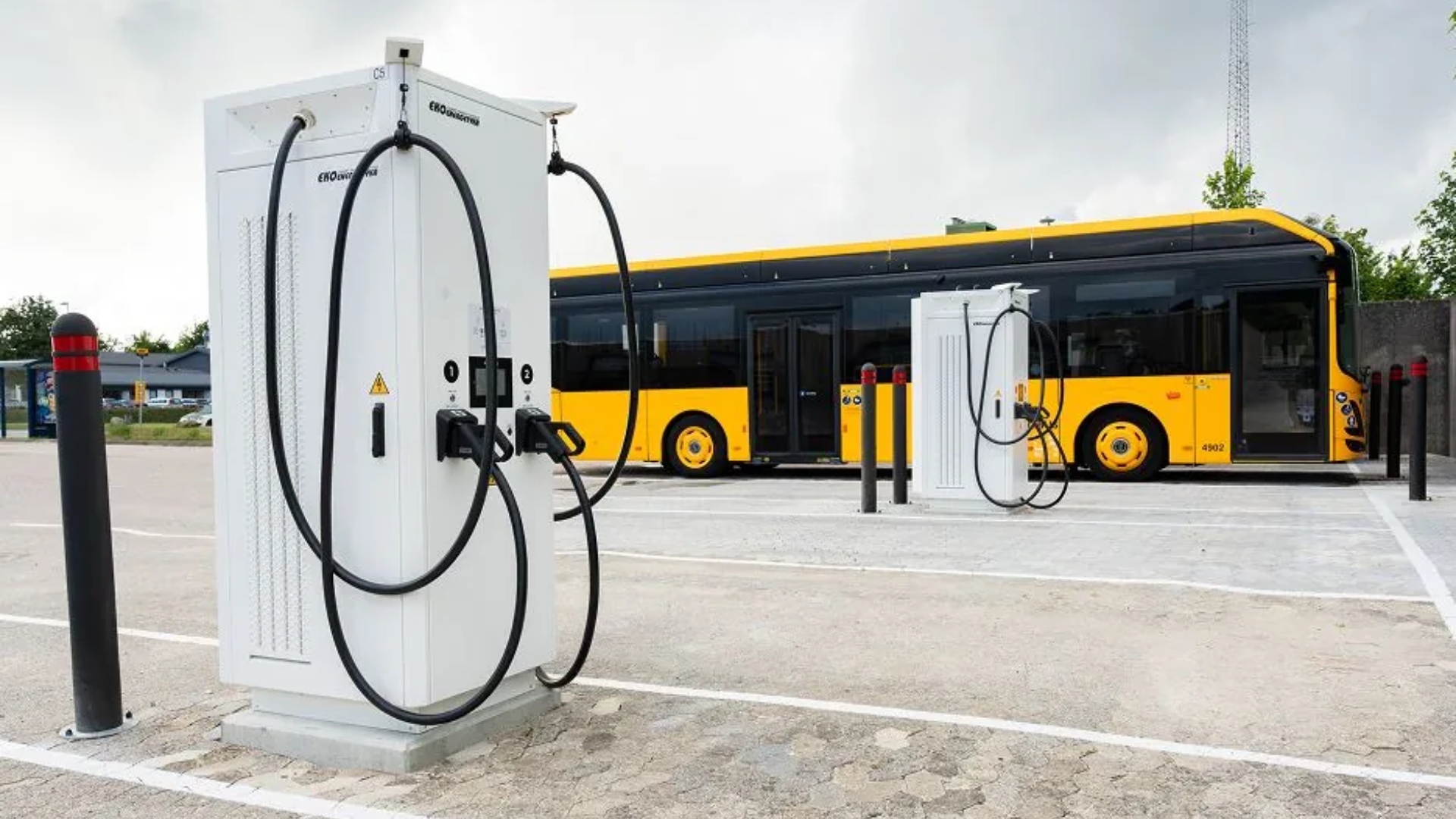
The Government of Andhra Pradesh has taken a decisive step toward transforming the state into a national clean-energy leader. With the Chief Minister directing the Andhra Pradesh State Road Transport Corporation (APSRTC) to shift entirely to electric buses within five years, the state has approved the immediate procurement of 1,000 new EV buses. Alongside this, the administration confirmed the installation of 5,000 electric vehicle charging stations to build a strong, future-ready transport ecosystem.

This large-scale deployment marks one of India’s most ambitious electric mobility initiatives, designed to reduce pollution, lower fuel costs, and modernize public transportation for millions of citizens.

Strengthening Power Infrastructure for a Greener Tomorrow

During a comprehensive review of the energy sector, the Chief Minister emphasized the need to innovate and expand the state’s clean-power capacity. Officials were instructed to evaluate pumped-storage project locations near reservoirs, utilize fly ash from thermal power plants, and collaborate with IIT experts on advanced pollution-control technologies.

The government also approved the extension of incentives for ferro-alloy industries, recognizing their contribution to industrial growth. Though this extension adds a financial burden of ₹1,053 crore, it strengthens the foundation of long-term industrial sustainability.

Ensuring Reliable, High-Quality Power Supply Across Sectors

The review included an assessment of power supply stability, cost optimization, and overall system efficiency. The Chief Minister urged departments to ensure uninterrupted and high-quality electricity for industries, households, agricultural consumers, and commercial establishments.

The government aims to significantly reduce transmission and distribution losses, which currently stand at 9.2%, by 2029. Additionally, the state will evaluate power-swapping agreements with other regions to lower power purchase costs and improve overall operational efficiency.

Solar Revolution: Massive Solarisation of Government Buildings

In line with the state’s renewable energy mission, over 483 government buildings are set to undergo solarisation. These installations will collectively generate nearly 150 MW of clean energy, reducing dependence on conventional power sources and cutting operational expenses.

Under the PM-KUSUM scheme, Andhra Pradesh is targeting 4,792 MW of solar generation using land from the endowments and irrigation departments. This initiative is expected to empower farmers, enhance rural energy access, and support the state’s sustainability goals.

The Chief Minister highlighted that consumers should be encouraged to produce their own solar power and supply surplus energy to the grid, enabling them to earn additional income while promoting energy independence.

Subsidies and Benefits for Solar Consumers Under PM Suryaghar Muft Bijli Yojana

A major highlight of the meeting included updates on the PM Suryaghar Muft Bijli Yojana. Here’s how the state aims to support residential solar adoption:

  • SC/ST households will receive rooftop solar units free of cost.
  • BC households will get a ₹20,000 subsidy for installations up to 3 kW.


These targeted benefits are expected to accelerate solar adoption among vulnerable and middle-income households, reducing their monthly electricity expenses significantly.

The state will also implement free power benefits of 200 units for weavers and 500 units for power-looms—an essential step in supporting traditional industries.

Correcting Past Mistakes and Stabilizing Power Finances

In a strong statement, the Chief Minister highlighted missteps from the previous administration, including the cancellation of Power Purchase Agreements (PPAs). This decision created a ₹9,000 crore financial burden on consumers, even though the contracted power was not utilized.

The current government, however, has streamlined financial operations, eliminated this burden, and ensured that electricity tariffs remain stable. This marks a significant milestone in restoring fiscal discipline within the state’s power sector.

The high-level review meeting was attended by Energy Minister Gottipati Ravi Kumar, Chief Secretary K. Vijayanand, and senior officials from Transco, Genco, and Discoms, signaling unified commitment toward implementing these transformative initiatives.

Start typing and press Enter to search

Shopping Cart